
Journey To Mexico / Food & sweet traditions
Food & sweet traditions
18 Mexican Desserts & Sweets to Try on Your Trip
Find your next sweet stop: crisp churros, chilled flan, regional candies and bakery favorites, with the context to choose something you will enjoy.
The quick answer
Which Mexican dessert should you try?
Mexican desserts range from churros, flan and tres leches cake to regional sweets such as camotes poblanos, cajeta and alegrías. Some are after-dinner desserts; others belong in a bakery breakfast, an afternoon snack or a box of sweets to take home.
Choose by texture and occasion first. A hot churro, a chilled custard and a wrapped amaranth sweet serve different purposes. If you are planning the whole meal, start with traditional foods in Mexico.
Texture, timing & occasion
Find the right kind of sweet
| You are looking for… | Try | Where to look |
|---|---|---|
| Something crisp and warm | Churros or buñuelos | Churrerías, stalls or seasonal markets |
| A creamy restaurant dessert | Flan or tres leches cake | Restaurants, cafés and cake shops |
| A refreshing afternoon stop | A paleta or nieve | Paleterías and ice-cream shops |
| A small packaged gift | Alegrías, camotes or cocadas | Dulcerías; check the package and storage advice |
| A local seasonal tradition | Capirotada or pan de muerto | Ask bakeries and restaurants what is available that week |
Your tasting list
18 Mexican desserts, breads and sweets
1. Churros
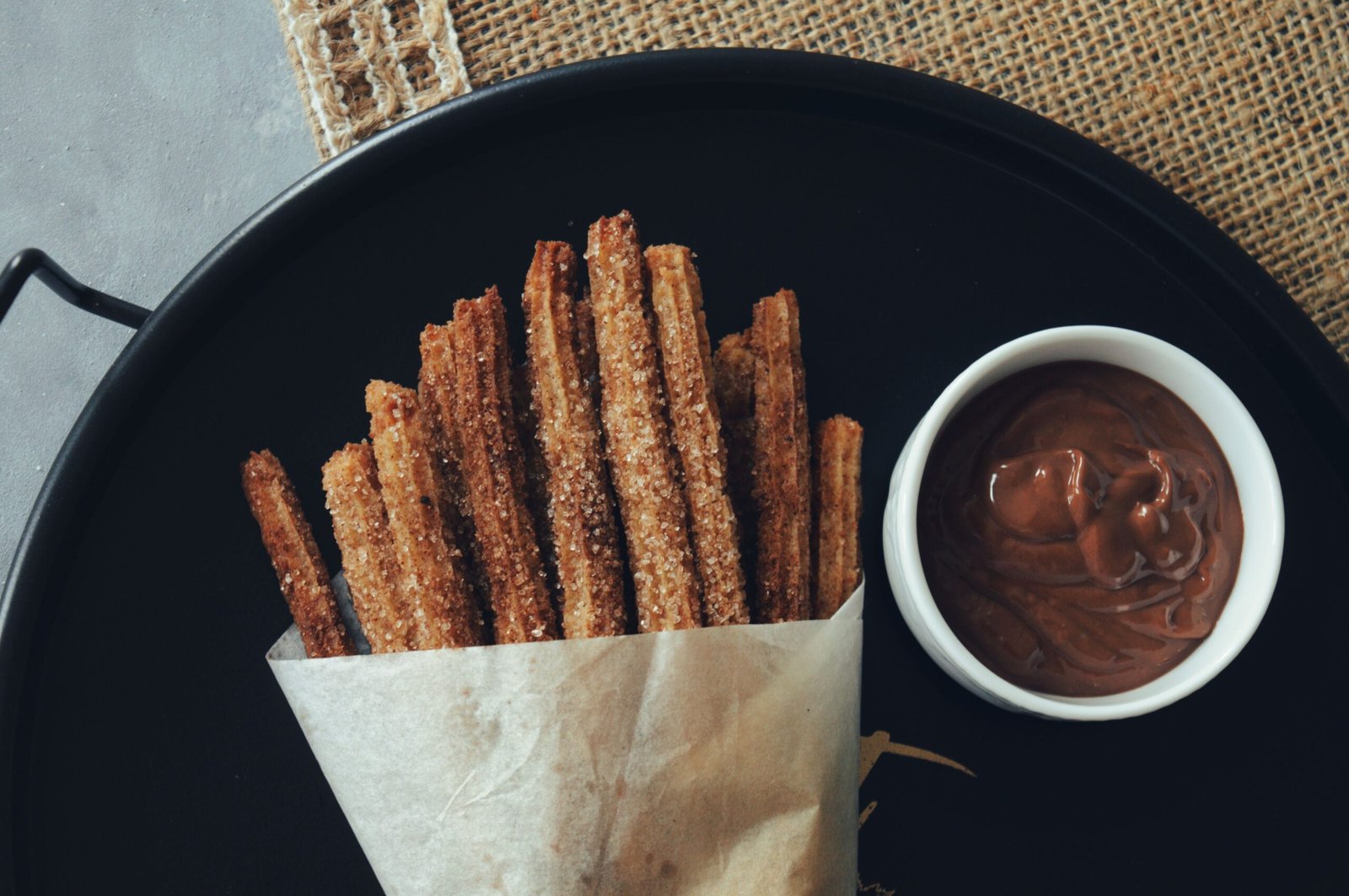
Churros are ridged lengths of fried dough, often finished with sugar and cinnamon. Some shops serve them plain; others offer fillings or dipping sauces. Their appeal is the contrast between the crisp exterior and softer center, which is why a fresh batch makes more sense than one saved for later.
2. Flan
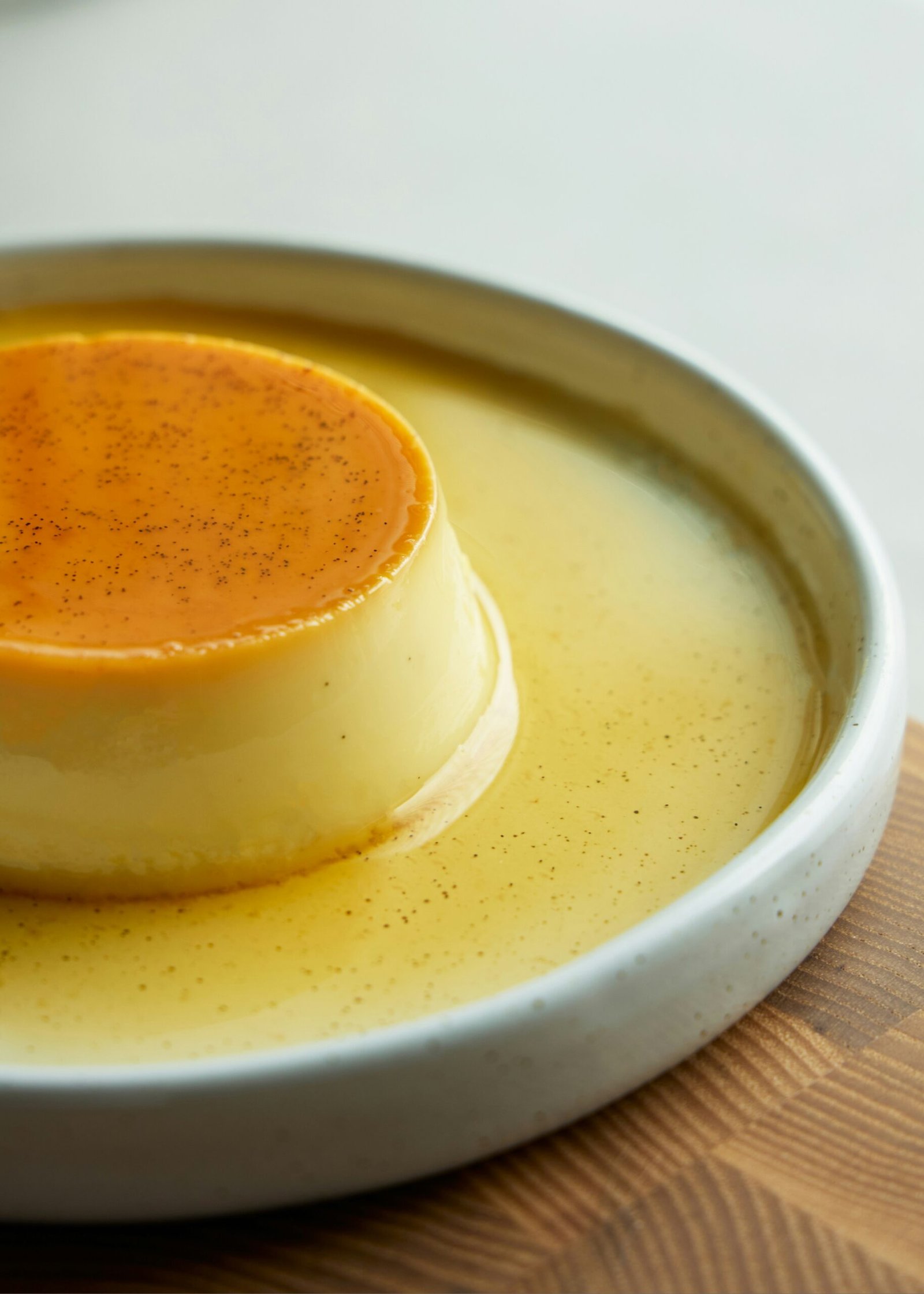
Flan is a set custard served with caramel. It is generally smoother and denser than a whipped dessert, making a small portion satisfying after a full meal. Recipes differ: some versions include cream cheese, while others emphasize the simpler milk-and-egg custard.
3. Tres leches cake
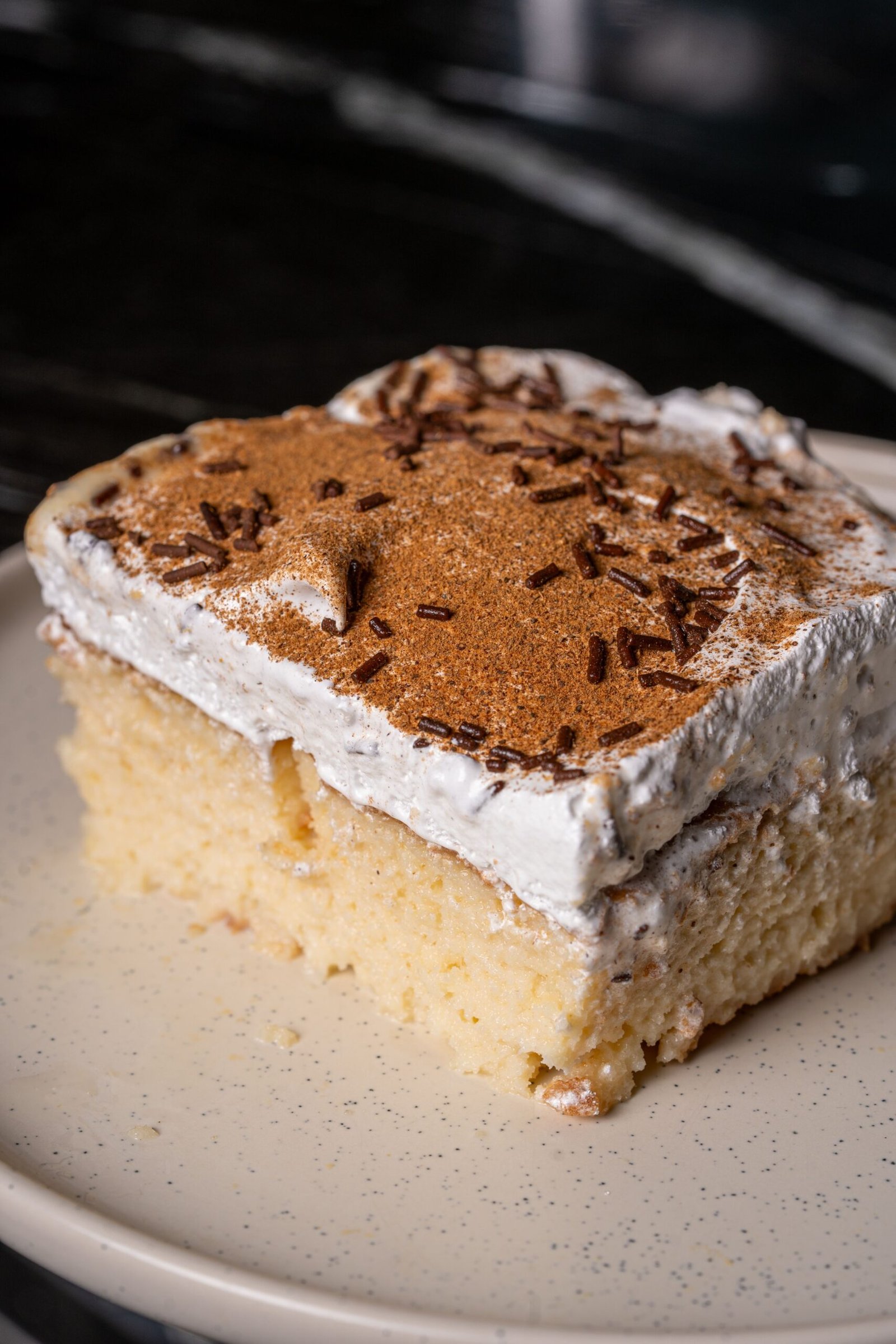
Tres leches is a sponge cake soaked in a milk mixture, commonly including evaporated and condensed milk. The texture should be moist rather than bread-like. Fruit, whipped toppings and flavor variations are common; the cake is enjoyed in Mexico and elsewhere in Latin America.
4. Arroz con leche
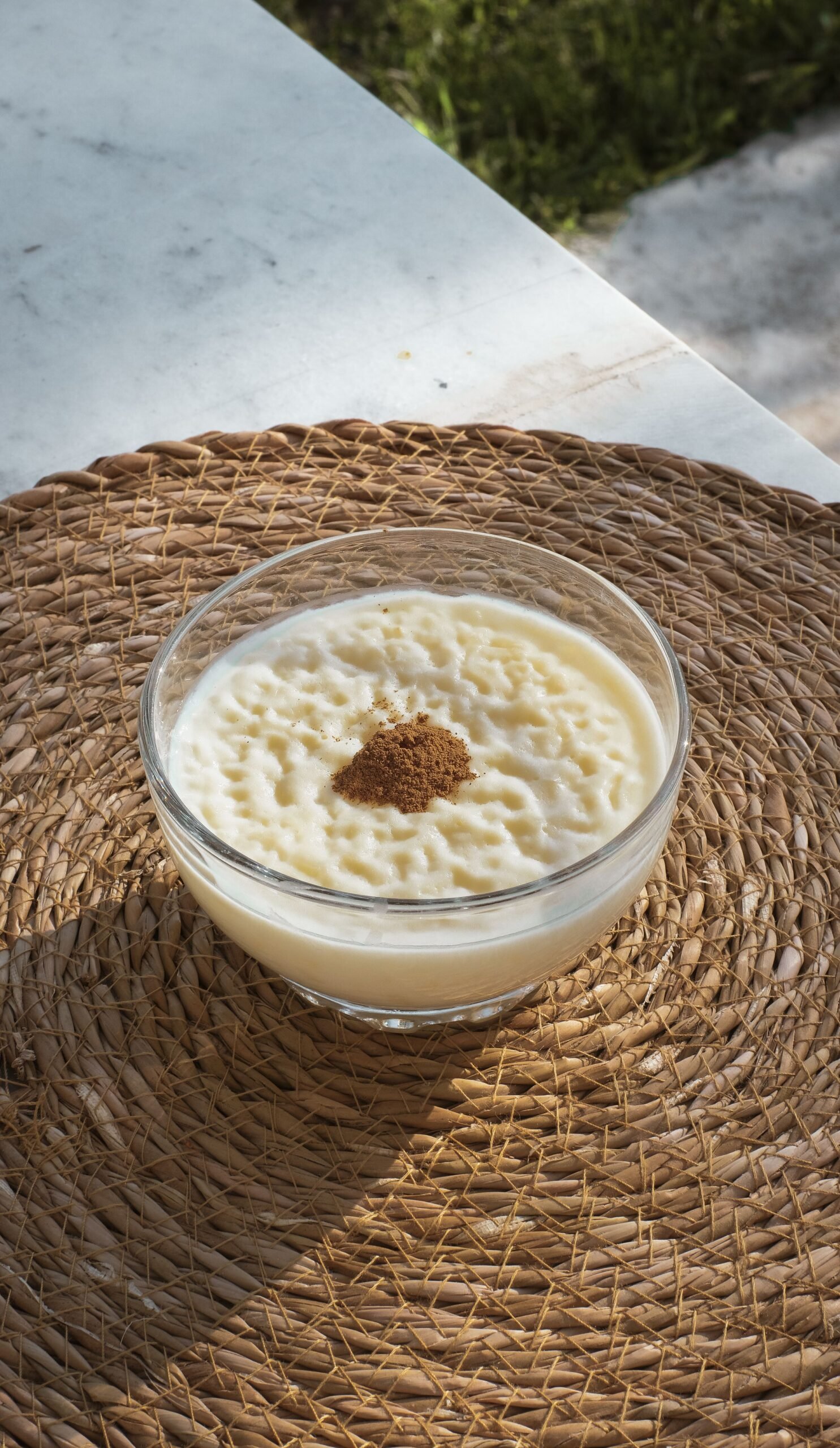
Arroz con leche is rice cooked into a sweet milk-based pudding, commonly flavored with cinnamon. It can be served warm or chilled. Some cooks add raisins or other ingredients, so the version in a family restaurant may differ from the one in a bakery counter.
5. Carlota de limón
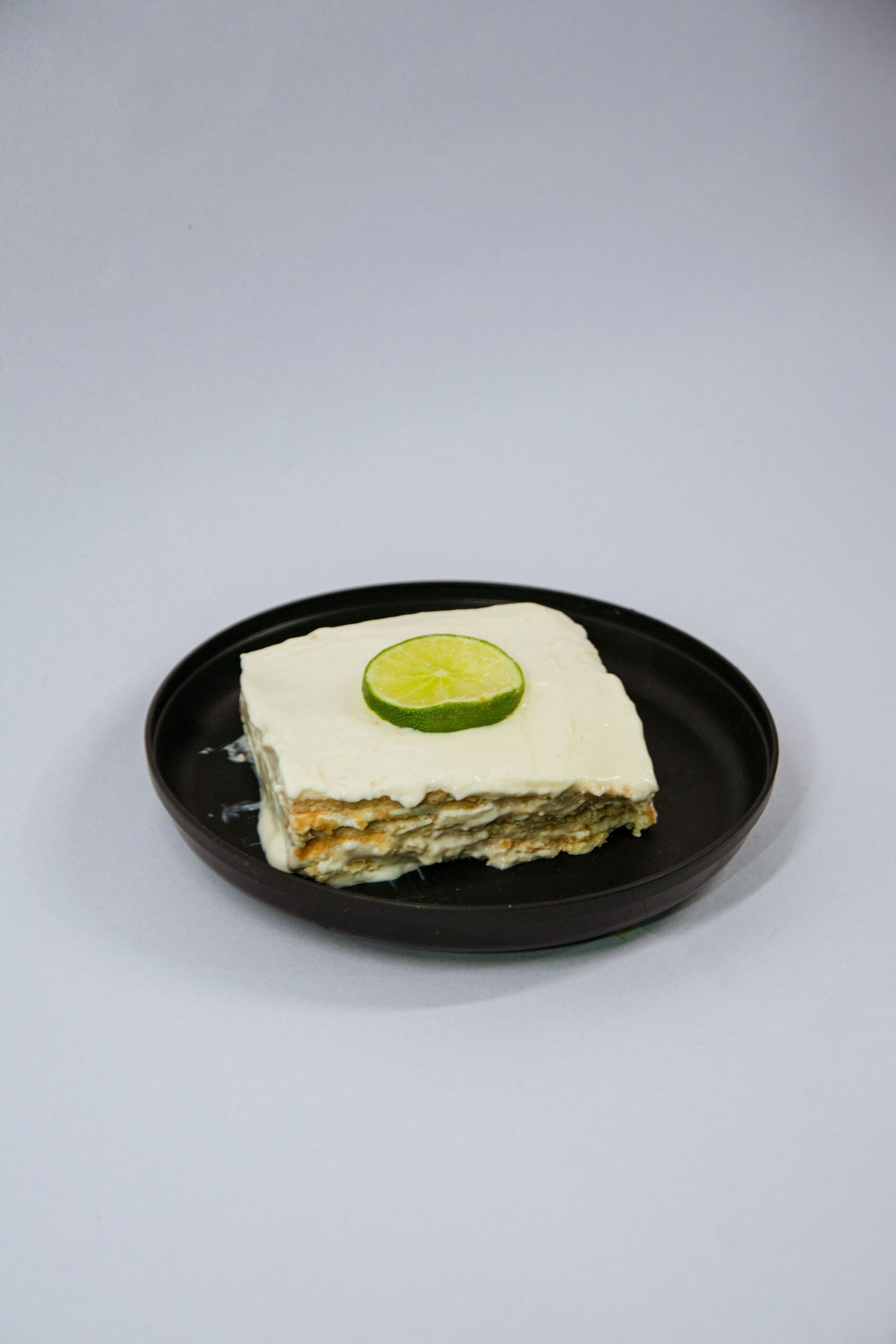
Carlota de limón layers biscuits with a citrus-flavored creamy mixture. Chilling softens the biscuits and brings the layers together. It offers a sharper, brighter flavor than caramel desserts, although condensed milk can still make it quite sweet.
6. Conchas
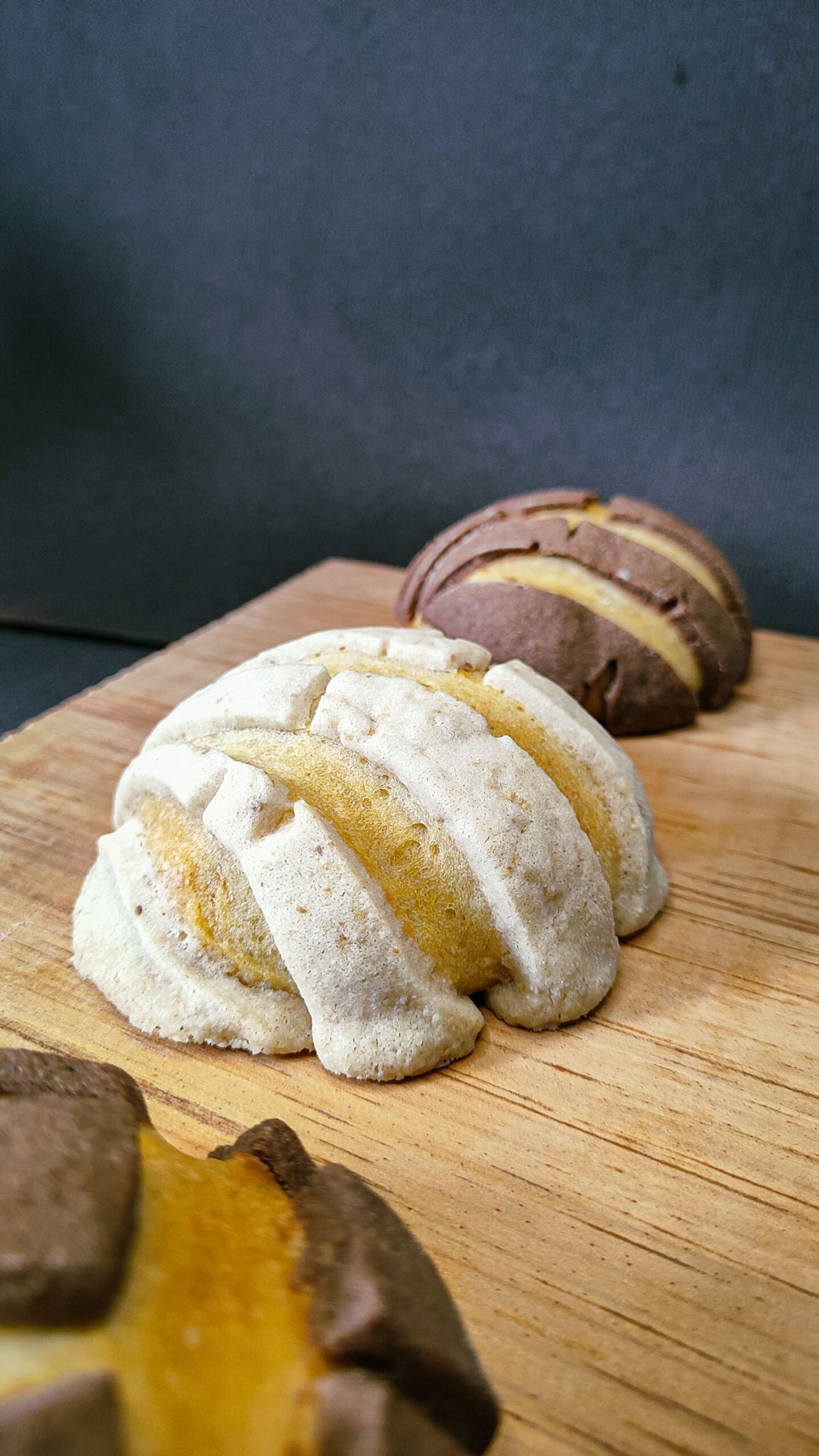
Conchas are rounded sweet breads with a patterned topping that resembles a shell. They belong to pan dulce: the broad family of Mexican sweet breads. Vanilla and chocolate are familiar topping flavors, and the bread itself is usually less intensely sweet than a frosted cake.
Plan a bakery stop alongside these Mexican breakfast dishes.
7. Buñuelos
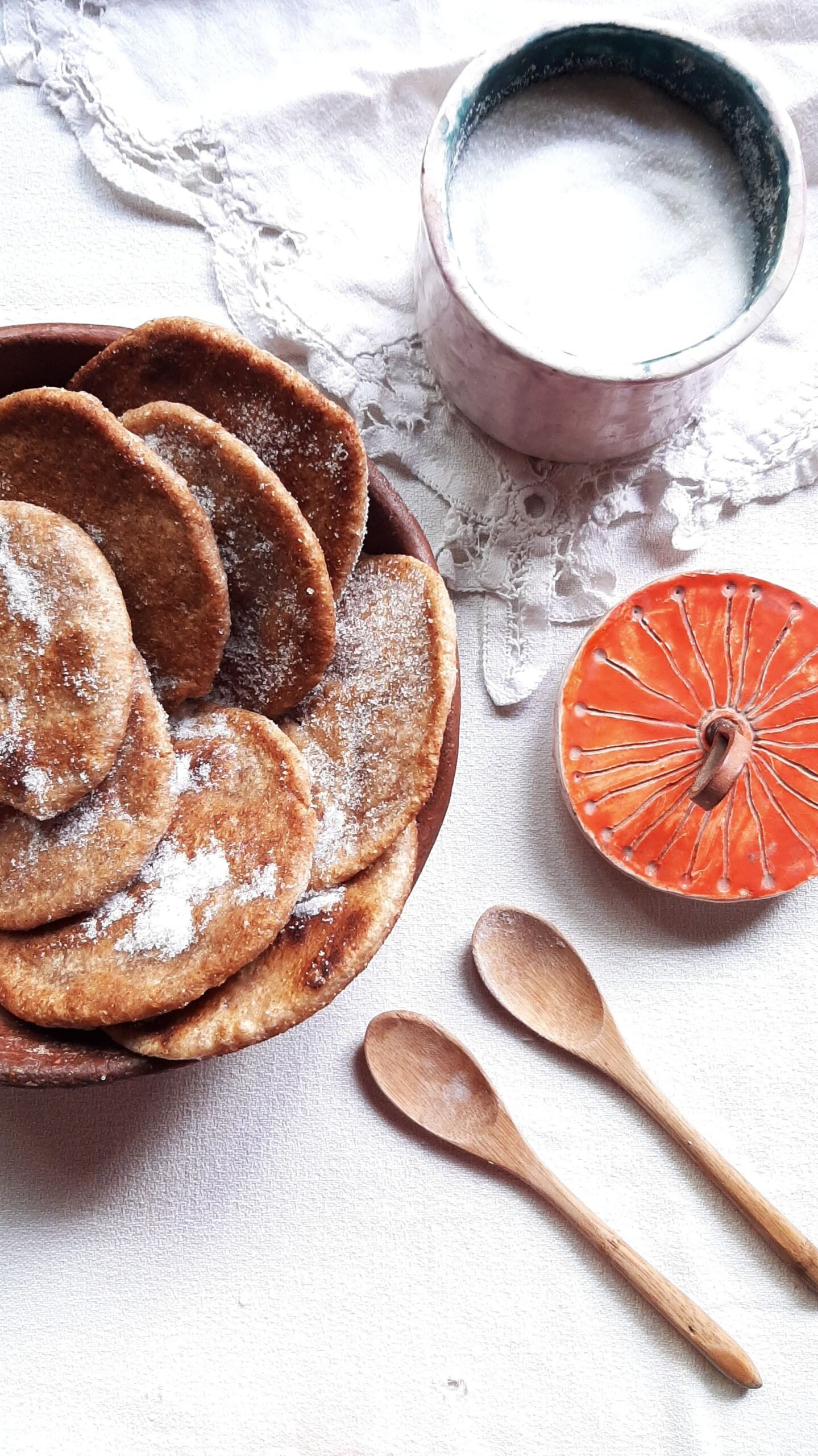
Many Mexican buñuelos are thin, fried sheets of dough served with sugar or syrup; other forms include delicate shapes made with a mold. They should not all be imagined as fluffy doughnuts. They are associated with holiday eating in many places, although availability is local.
8. Capirotada
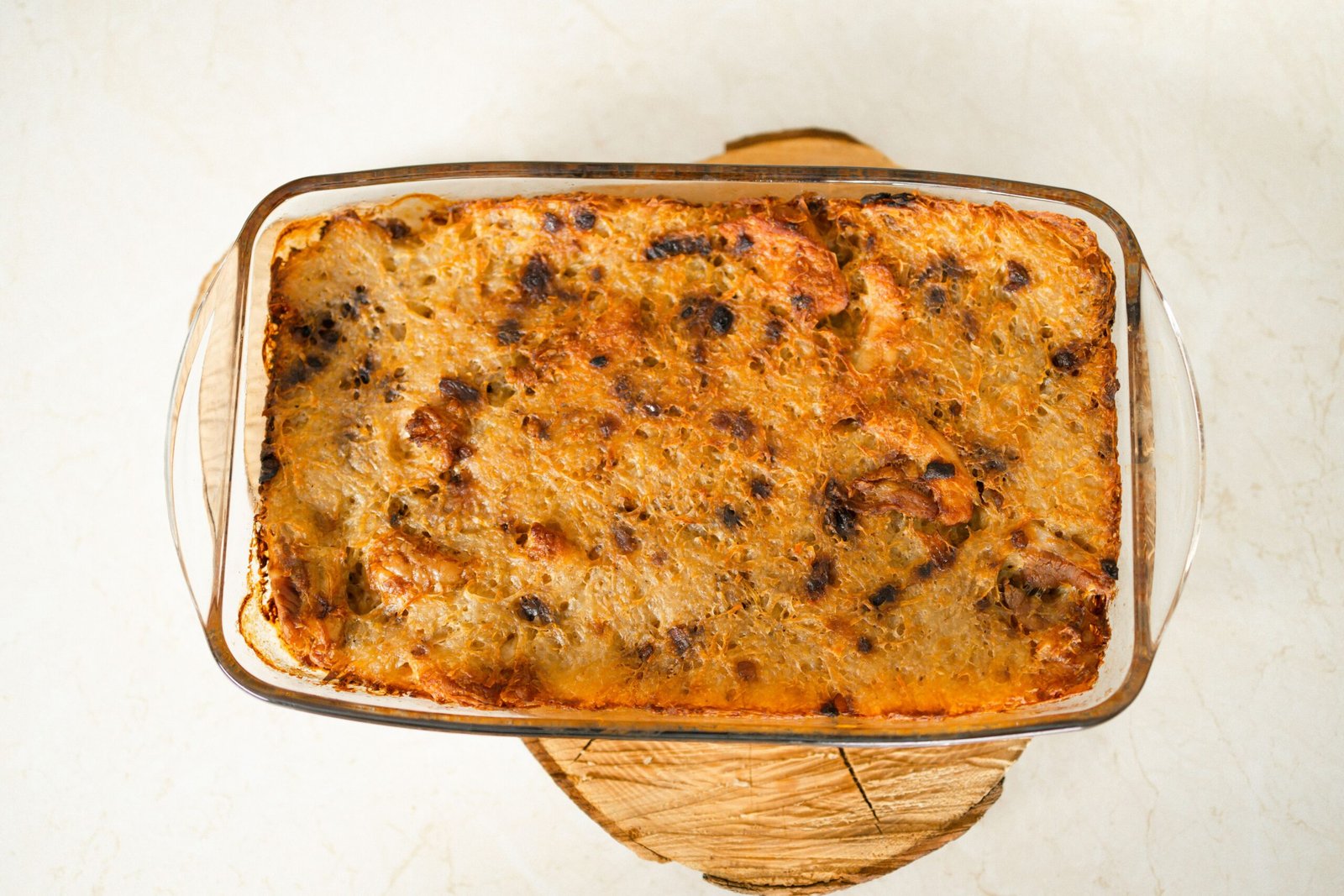
Capirotada turns bread into a sweet, layered dish, often using piloncillo syrup with combinations of dried fruit, nuts and cheese. Regional and household versions differ, including milk-based preparations. It is particularly associated with Lent, so it is a good thing to ask about during that season.
9. Pan de muerto
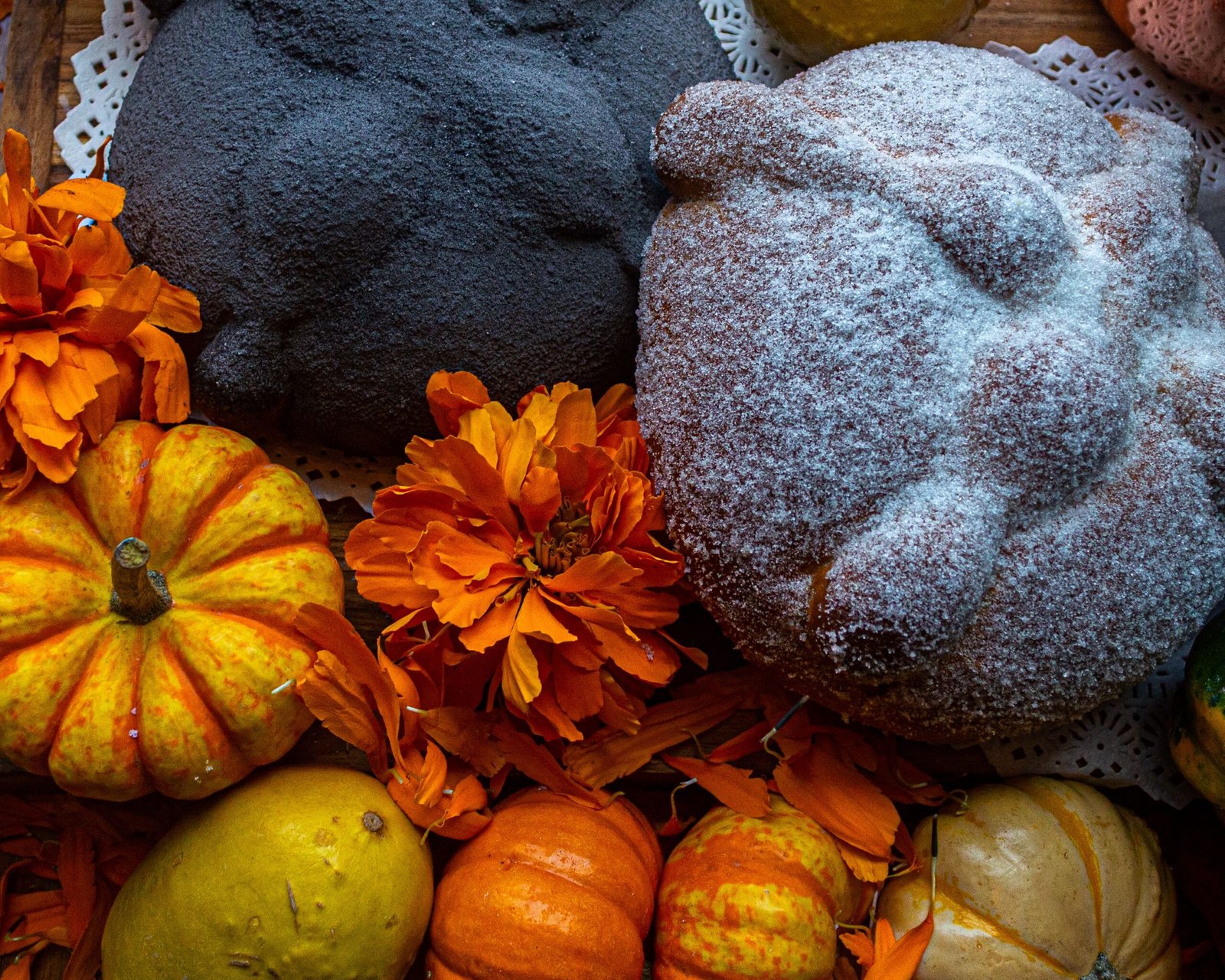
Pan de muerto refers to breads associated with Day of the Dead. A familiar form is a round loaf decorated with dough pieces, sometimes scented with orange blossom or citrus. Shapes, decoration and recipes differ across Mexico, and local bakeries may offer several versions.
Read about Día de los Muertos for the wider context.
10. Paletas
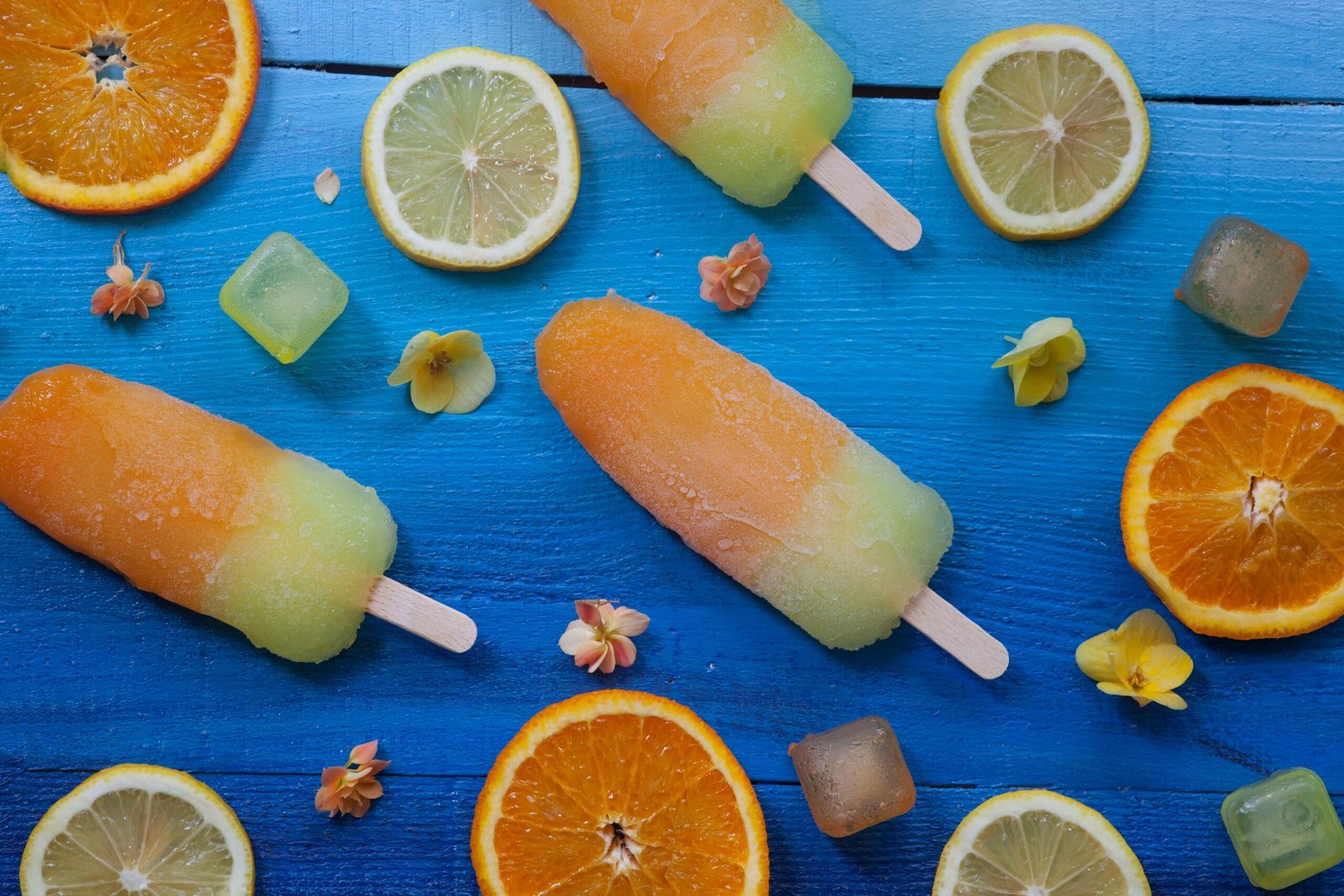
Paletas are frozen treats on a stick, with fruit-based and milk-based versions. Flavor names alone do not explain the base or all the ingredients. A fruit paleta can make a pleasant break between sights, while a creamy version may feel more like a dessert.
11. Nieves
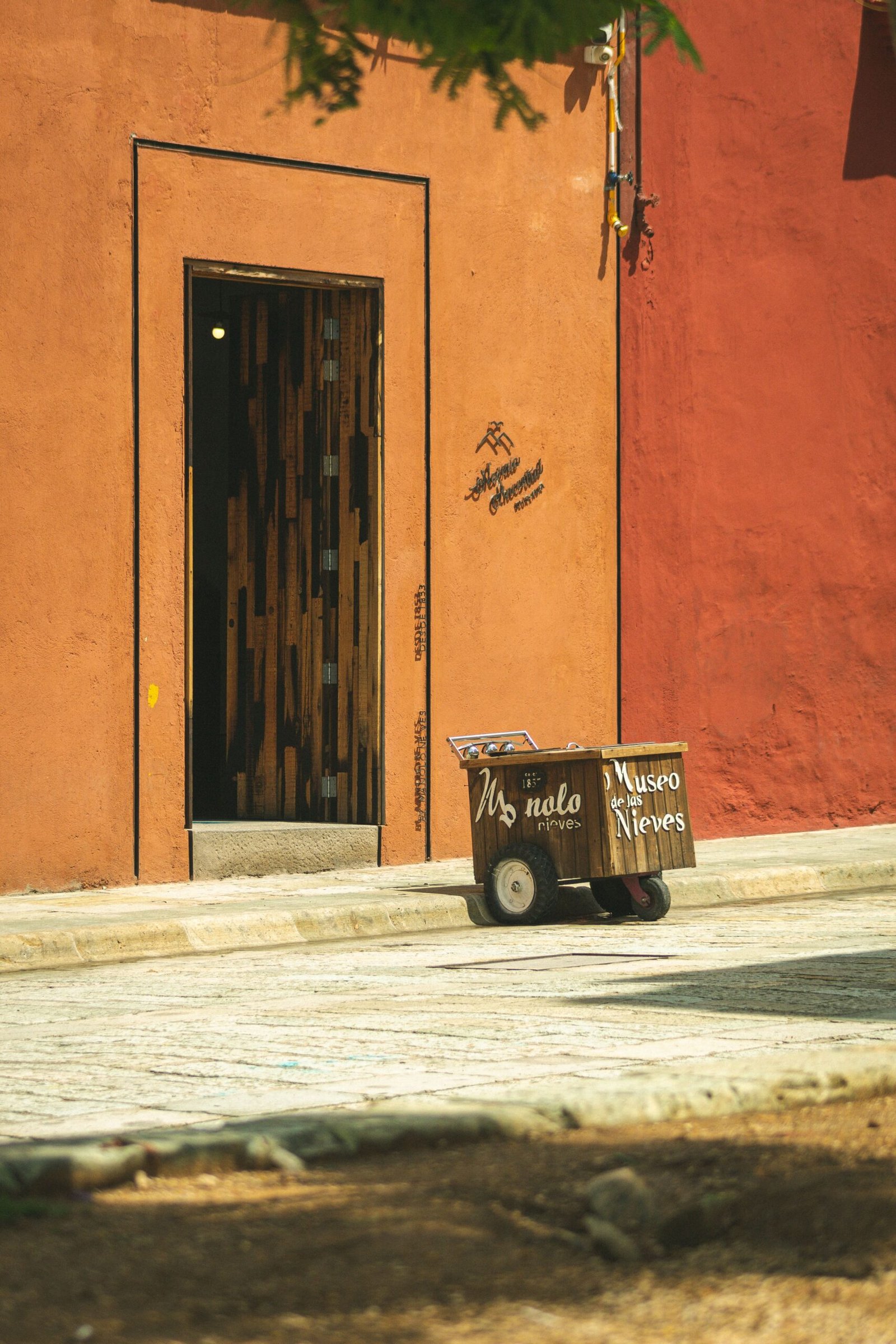
Nieves are scooped frozen sweets with many regional flavors and preparation styles. In Oaxaca, nieve de leche quemada and tuna are familiar names to encounter; tuna here means prickly pear, not fish. Ask for a small sample if the shop offers one.
Work a stop into your Oaxaca sightseeing route.
12. Cajeta
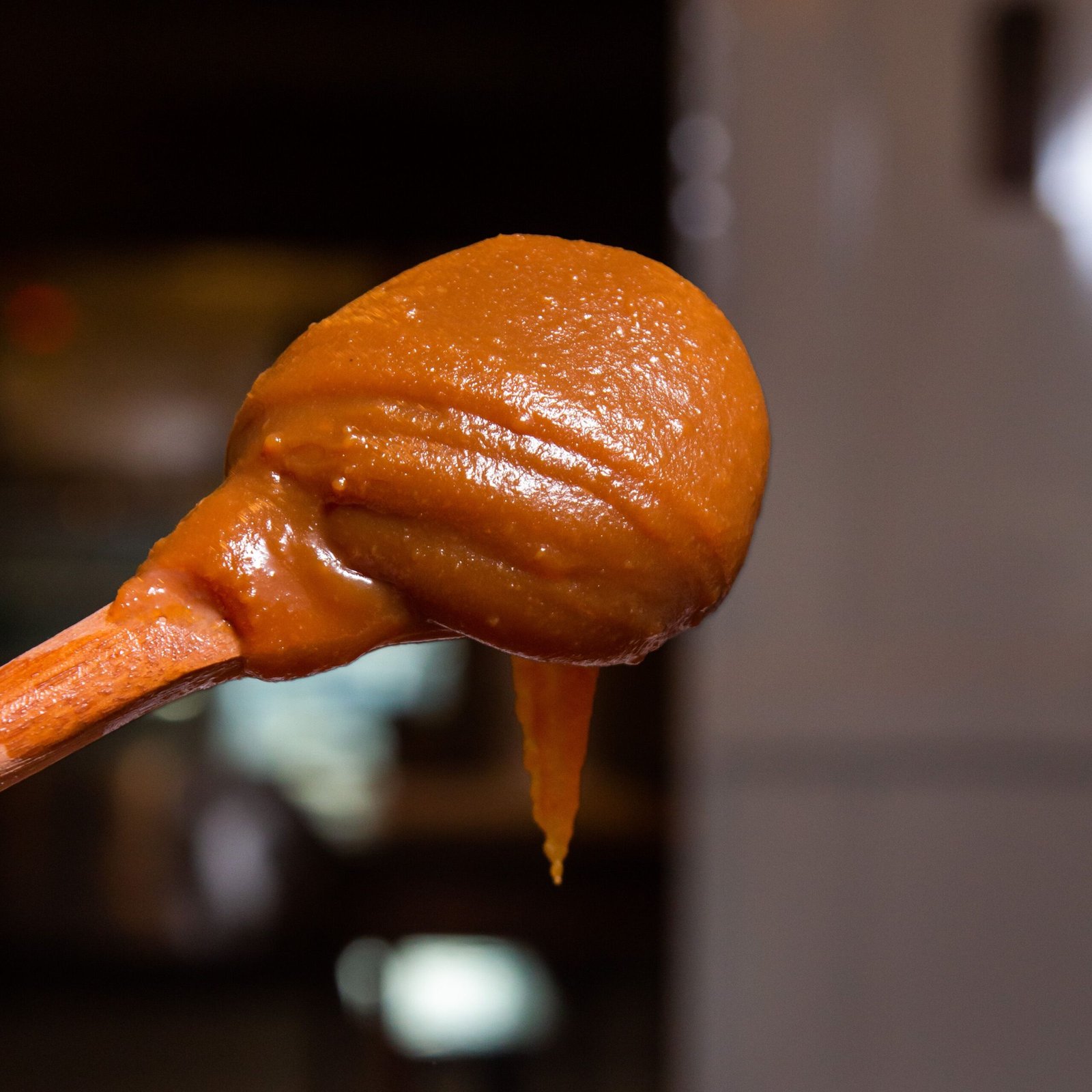
Cajeta is a thick milk sweet strongly associated with Celaya, traditionally made with goat’s milk or a mixture including it. You may encounter it in jars, between wafers or as a filling. Its flavor is related to dulce de leche, but the milk base can give it a distinctive character.
13. Alegrías
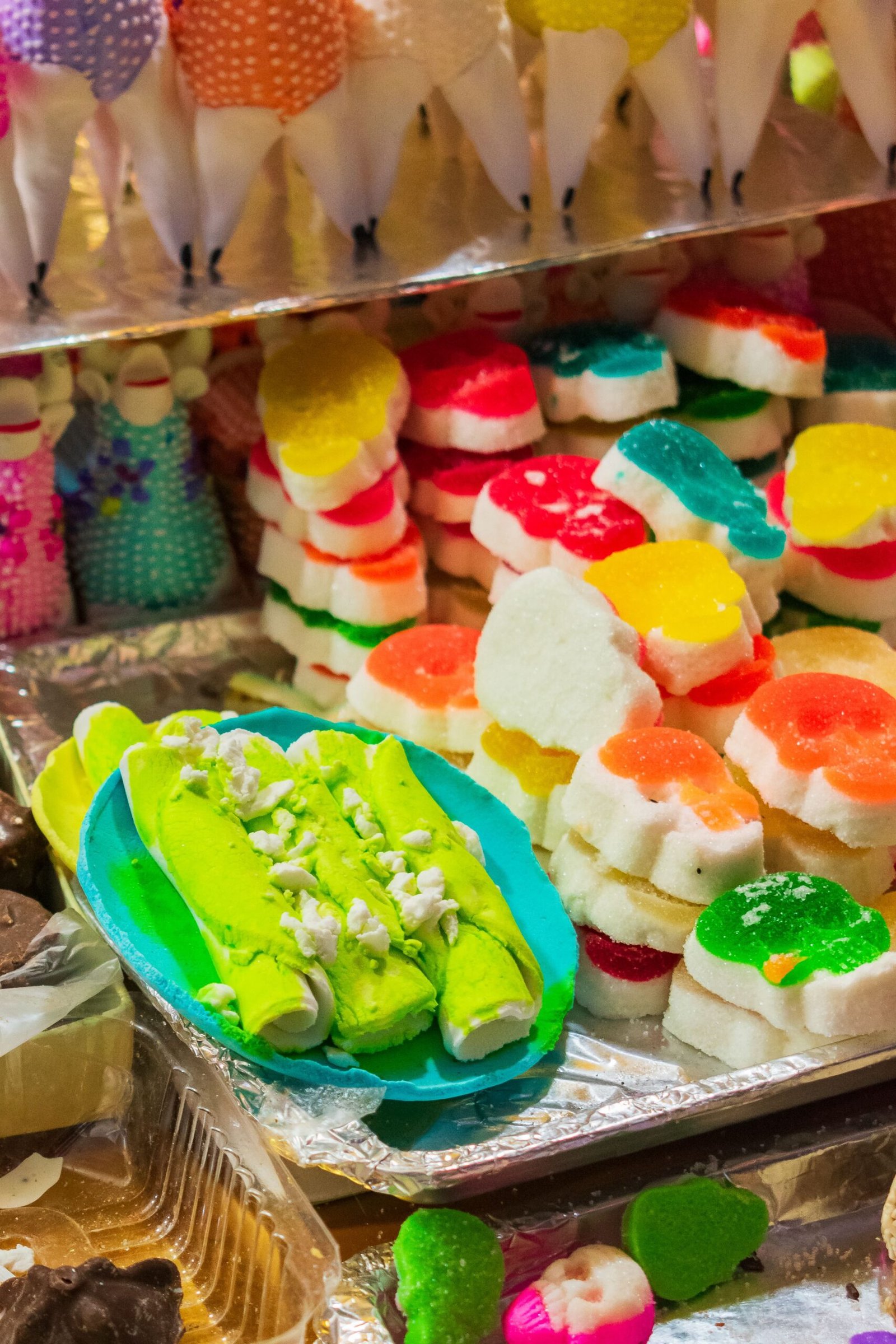
Alegrías bind puffed amaranth into bars or other shapes with a sweet binder. Seeds, nuts or dried fruit may be added. Their light, crisp texture provides a change from milk-based desserts, and their compact form makes them easy to buy in small portions.
Source: Mexico’s education ministry catalogue of traditional sweets.
14. Camotes poblanos
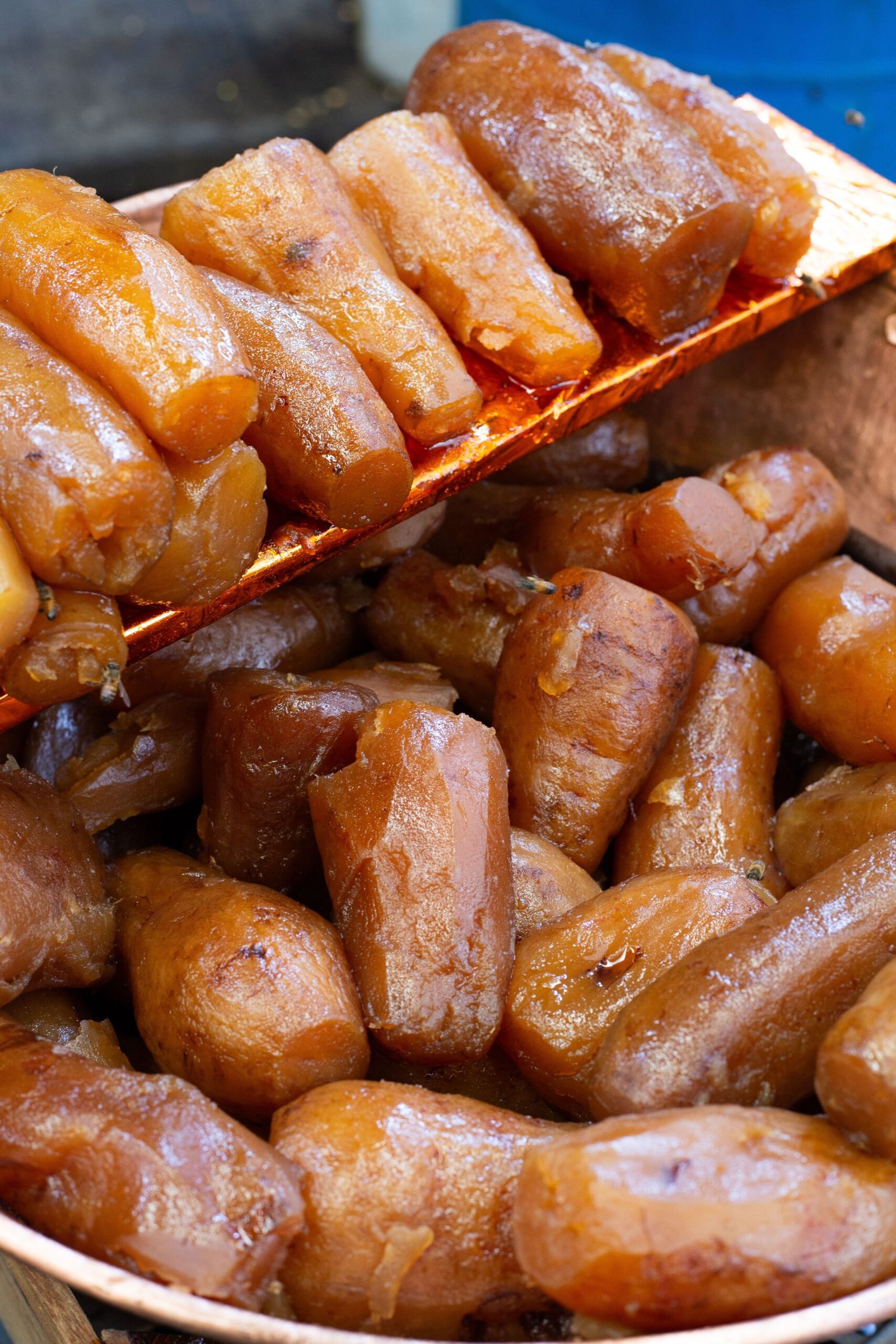
Camotes poblanos are sweets made from sweet potato, commonly shaped into small wrapped logs and flavored in different ways. They are quite different from simply ordering a baked sweet potato. A selection from a sweet shop is a compact way to taste several flavors.
Pair the stop with a walk through Puebla.
Source: Mexico’s agriculture ministry on traditional sweets.
15. Cocadas
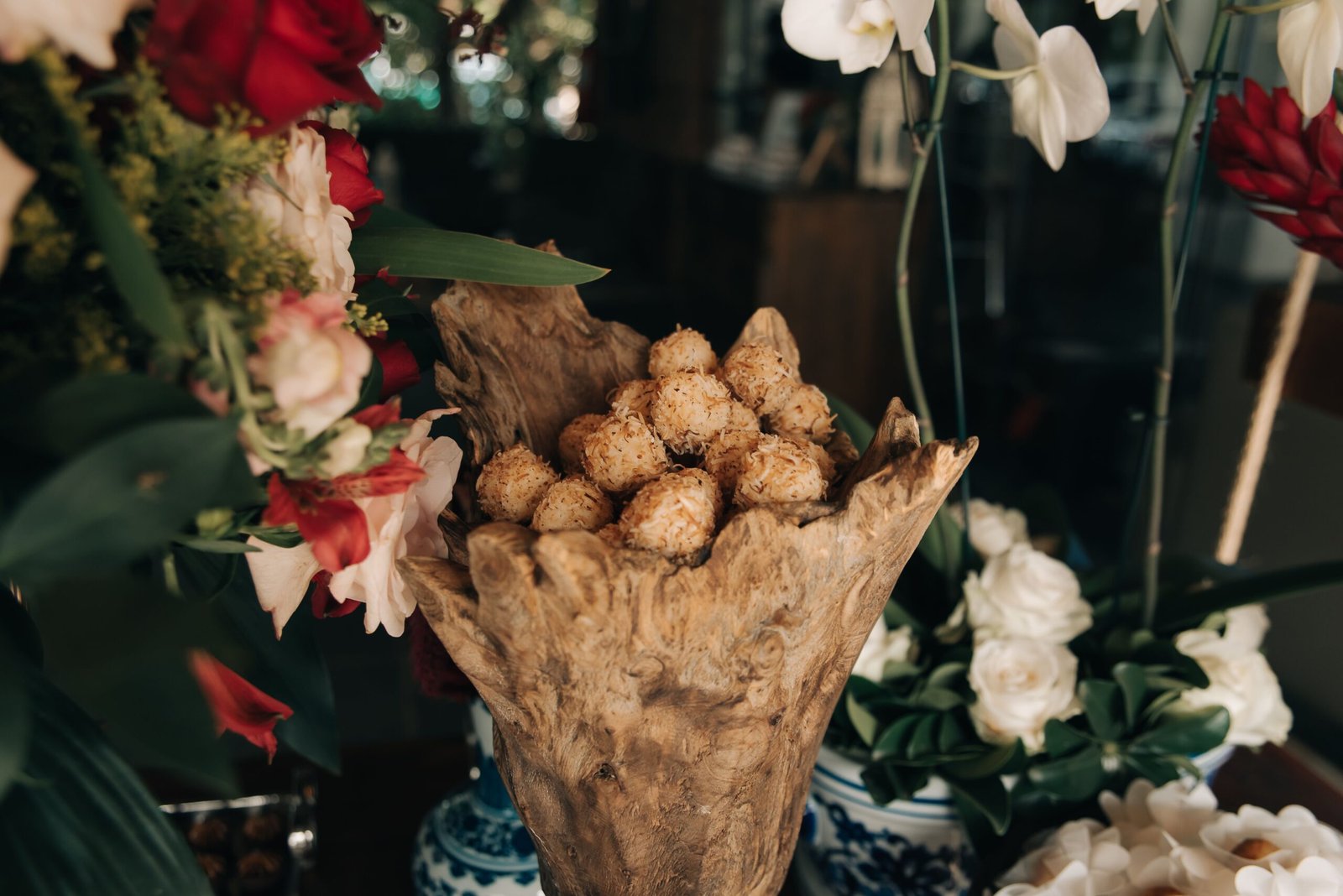
Cocadas are coconut-based sweets that come in different shapes, colors and textures. Some are softer and chewy; others are firmer or toasted. They are useful for a small taste from a market or dulcería without sitting down for a plated dessert.
16. Ate
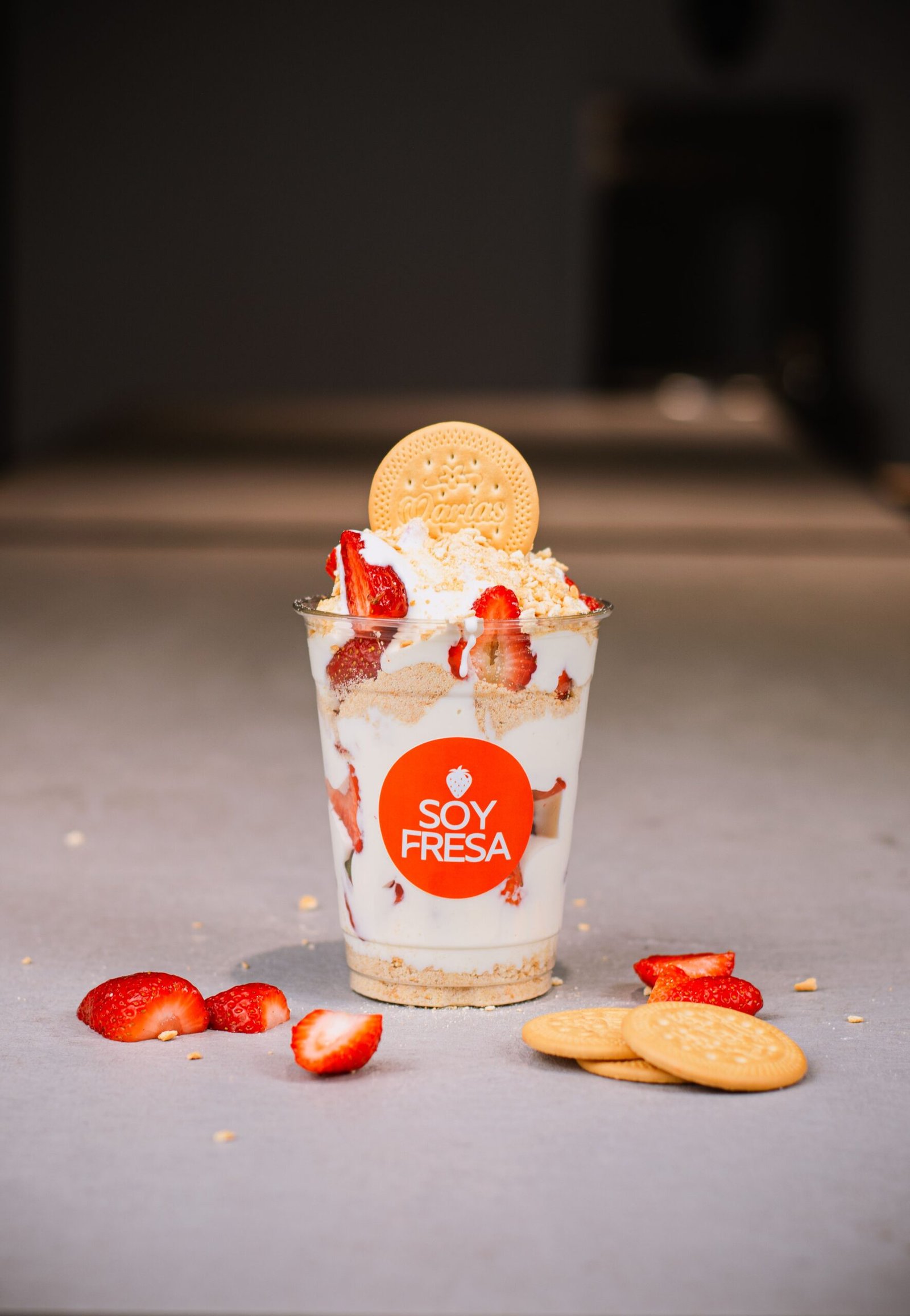
Ate is a firm fruit paste, often made with guava, quince or other fruit. It can be sliced and eaten alone or paired with cheese. The result is concentrated and sweet, so thin slices are usually a more useful starting point than a cake-sized serving.
Our Mexican fruits guide introduces more market flavors.
17. Fresas con crema
Fresas con crema combines strawberries with a sweet cream mixture. Toppings and the level of sweetness vary. It works as an afternoon treat when you want fruit with a dessert element, rather than another pastry or a heavier slice of cake.
18. Marquesitas
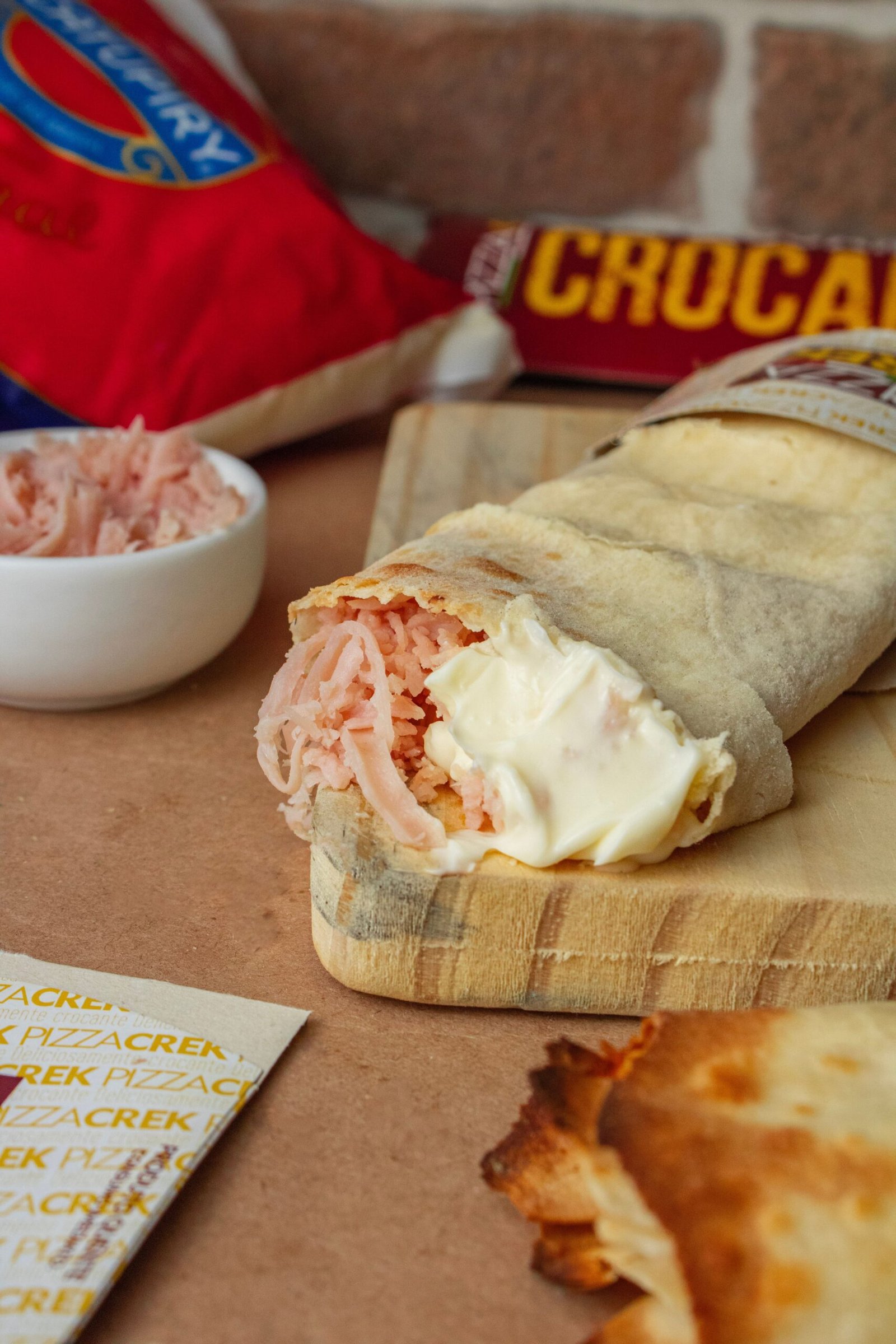
Marquesitas are crisp rolled wafers, commonly filled with grated Edam cheese and sometimes an additional sweet spread. The salty-sweet combination can surprise visitors expecting a soft crêpe. They are particularly associated with Yucatán and make a different kind of evening snack.
See our Mérida guide to connect food stops with your visit.
A little planning goes a long way
Turn a sweet stop into part of the trip
Puebla: sweet shops
Buy a few individual sweets rather than committing to a large box of one flavor. Compare a camote with another locally made confection.
Explore Puebla →Oaxaca: a cold break
Use a nieve stop to break up a walking day. Ask which flavors are local and combine it with a broader market experience.
Explore Oaxaca food tours →Mérida: an evening snack
A marquesita can follow an earlier savory meal. A food tour is another way to put the regional flavors in context.
Explore Mérida food tours →At the counter
Buying sweets and understanding the menu
Use the right kind of shop
A panadería is a bakery; a dulcería specializes in sweets. A paletería is the place to look for paletas and often other frozen desserts. “Postre” usually points you toward the dessert part of a restaurant menu, which will not necessarily include the full range of regional candies.
Separate souvenirs from eat-now treats
For a gift, ask about storage and shelf life, and choose intact packaging. A flan, milk-soaked cake or frozen dessert is better enjoyed during the trip. Packaging alone does not establish whether a product is suitable to carry across a border; check your destination’s rules before taking food home.
Ask about the actual recipe
Milk, eggs, wheat and nuts appear across many of these sweets, but recipes vary. A fruit flavor does not establish that a dessert is dairy-free. Ask the seller about the specific batch when ingredients matter.
Let seasonal foods be seasonal
Capirotada and pan de muerto have particular cultural associations. A bakery may offer its own timing or regional style. Check our Mexican holidays guide when deciding which celebrations overlap your dates.
A few useful answers