
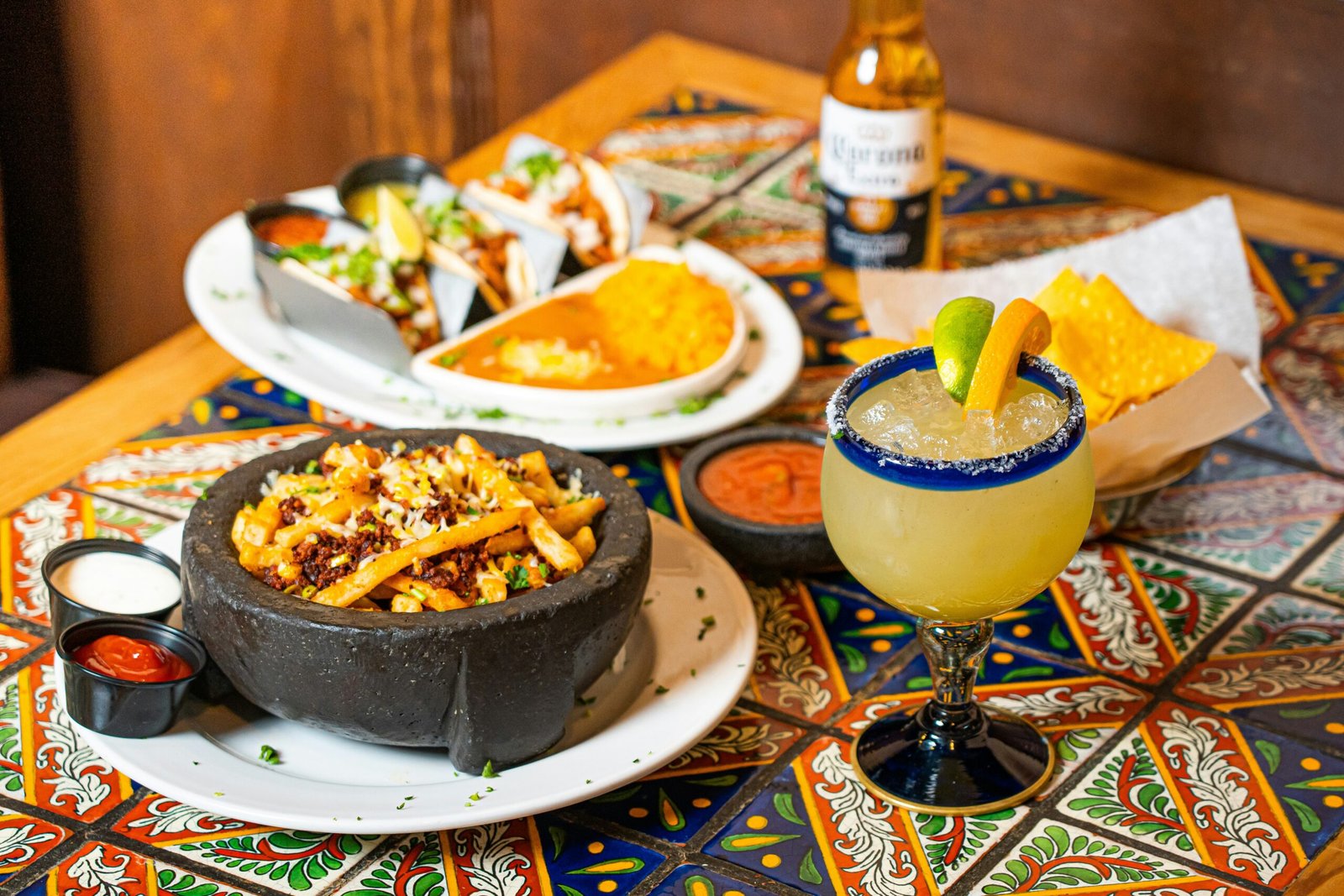
Journey To Mexico / Food & regional culture
Food & regional culture
16 Traditional Foods in Mexico: What to Try & Where
From a quick taco stop to a slow meal of mole, use this guide to choose dishes that suit your appetite—and the part of Mexico you are visiting.
The quick answer
What should you eat in Mexico?
Traditional foods in Mexico include tacos, tamales, pozole, mole, enchiladas and regional dishes such as cochinita pibil and tlayudas. For a first trip, choose a few everyday staples and then add the specialties of the place you are visiting. A food list for Oaxaca should look different from one for Mérida or northern Mexico.
This guide explains what each dish is, what to expect when ordering, and which regional choices deserve space in your itinerary. For the next meal, explore Mexican breakfasts or finish with traditional Mexican desserts.
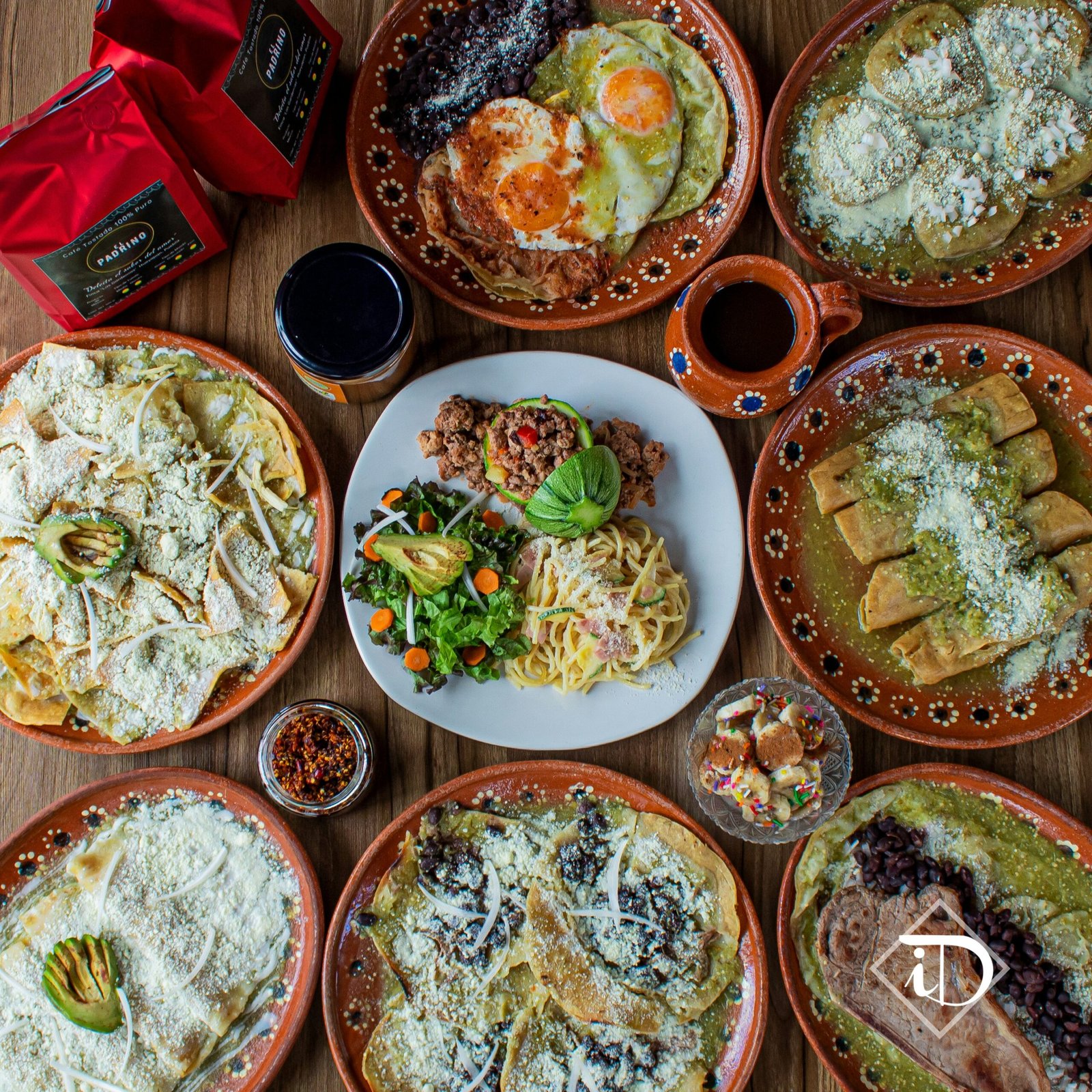
Look beyond one familiar dish
Compare the corn, the cooking and the region
A tortilla, a tamal and a bowl of pozole all feature corn, but their textures and preparation differ. Use that contrast to build a more varied tasting list: one tortilla-based dish, one slow-cooked meal and one specialty from your destination.
The regional suggestions below are an editorial way to plan your meals, not a claim that every restaurant serves the same version.
Build your own shortlist
Choose by the kind of meal you want
| If you want… | Start with | What to check |
|---|---|---|
| A small first taste | Tacos, quesadillas or sopes | Order a small portion first; tortillas and fillings vary. |
| A filling bowl | Pozole or birria with broth | Ask whether the price includes tortillas and accompaniments. |
| A regional specialty | Tlayudas in Oaxaca; cochinita in Yucatán | Look for the local version instead of expecting one national recipe. |
| Breakfast | Chilaquiles or huevos rancheros | Salsa may already be part of the dish. |
| A vegetable-focused choice | Nopales or mushroom quesadillas | Ask about cooking fat, broth and cheese; the name alone is not enough. |
What to order
16 traditional Mexican foods to try
1. Tacos
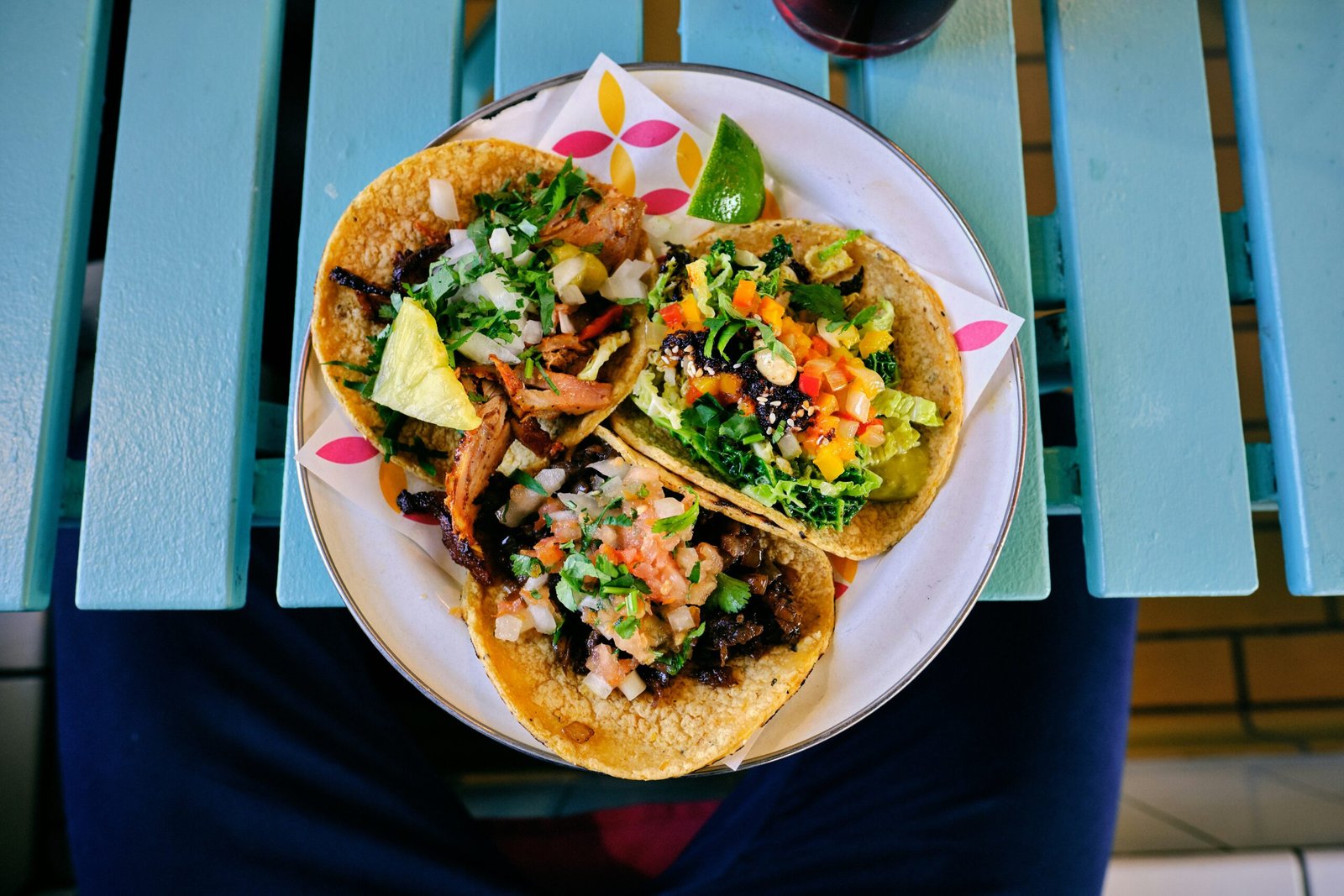
A taco is a tortilla wrapped around a filling, not one fixed recipe. A taquería may specialize in spit-roasted al pastor, grilled carne asada, slow-cooked meats or fish. The tortilla, salsa and garnish are part of the experience, so start with the house specialty before mixing several fillings.
For a useful menu decoder, see our guide to types of tacos in Mexico.
2. Tamales
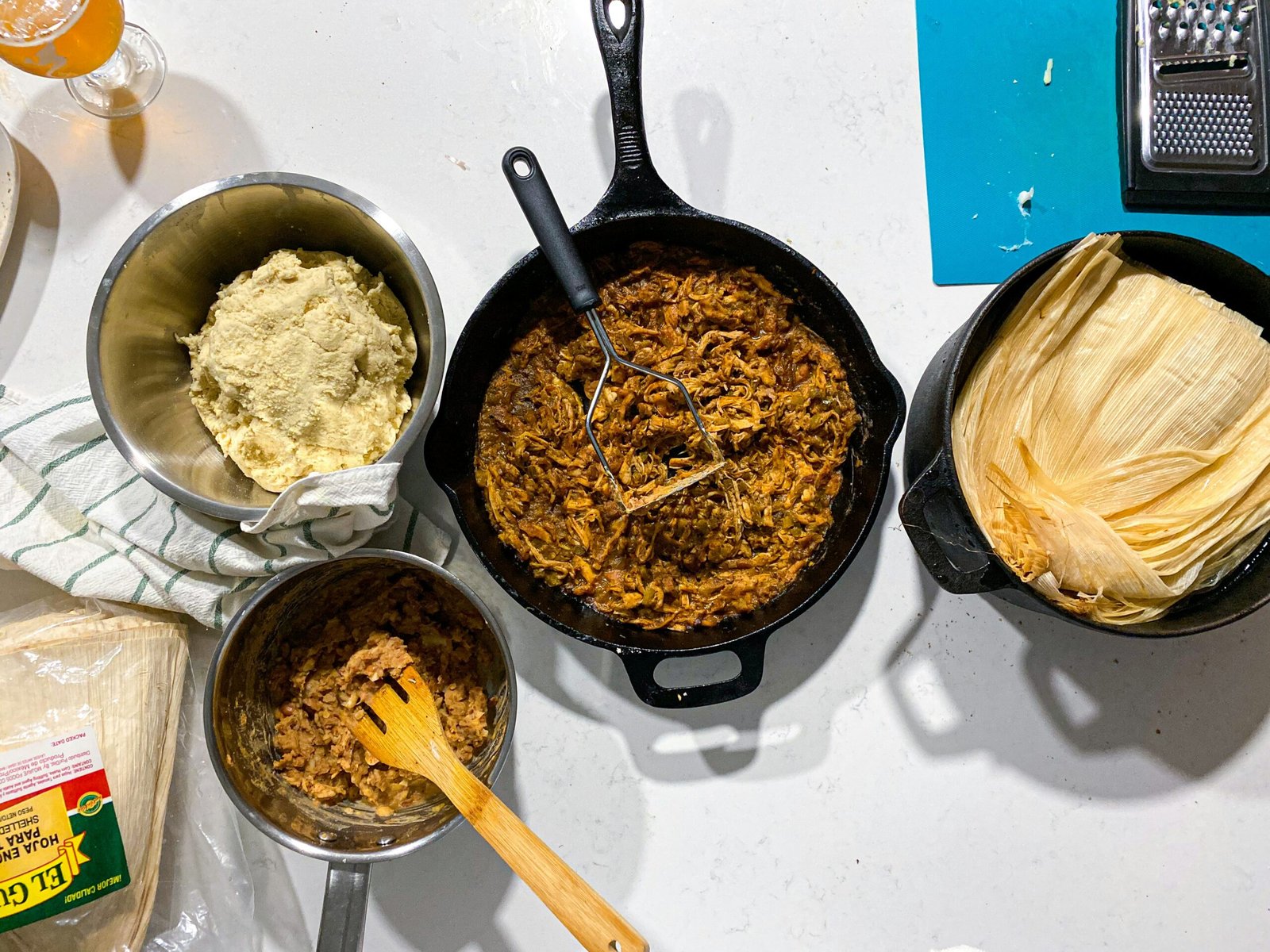
Tamales are parcels of masa cooked inside a wrapping, often corn husks or banana leaves. Fillings can be savory or sweet, and the dough and wrapping change by region. A green-salsa chicken tamal and a sweet tamal are quite different breakfasts even though they share a name.
3. Pozole
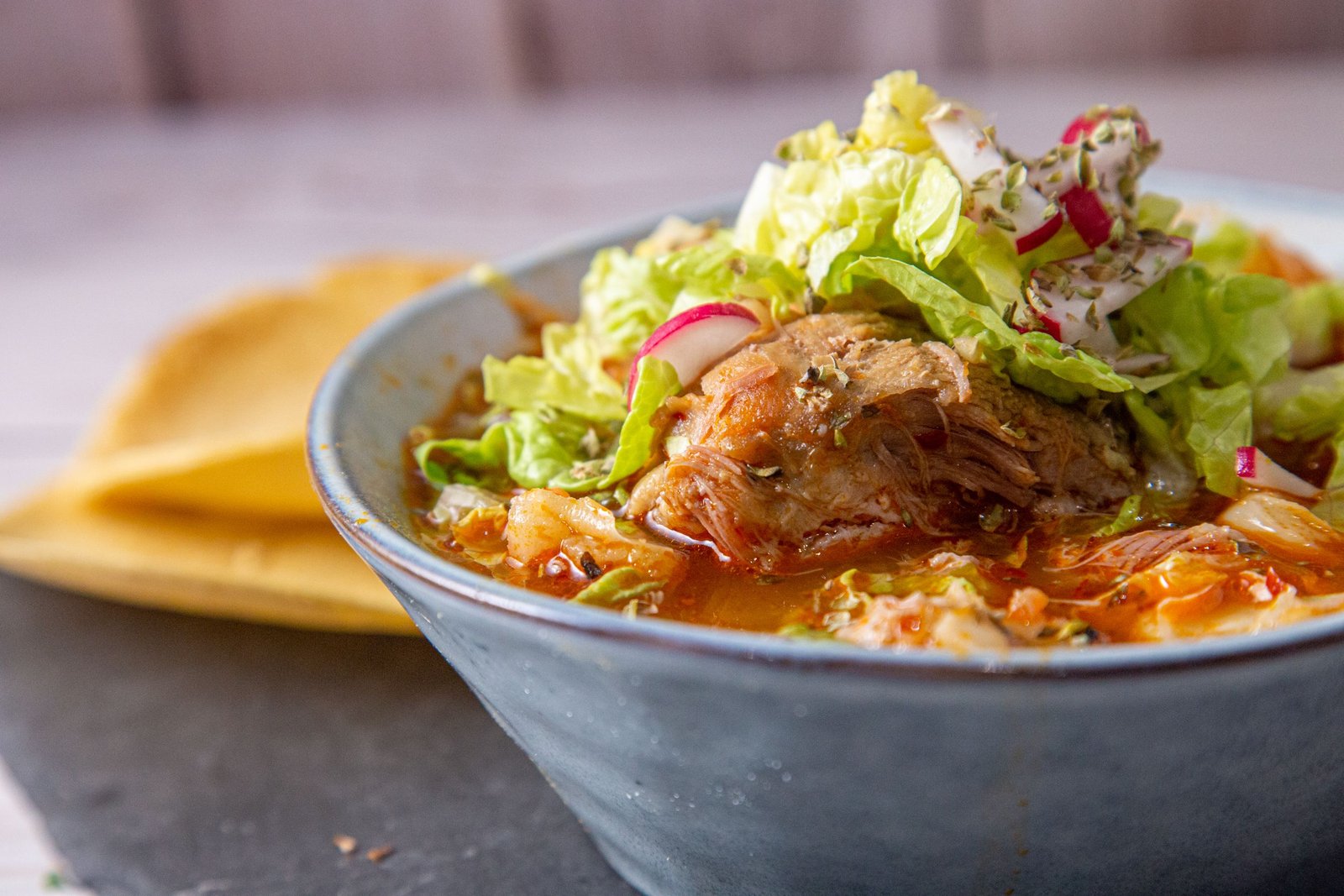
Pozole is built around large hominy kernels in broth, commonly with pork or chicken. Red, green and white versions refer to different preparations rather than a single nationwide recipe. Radish, shredded lettuce or cabbage, oregano and lime may arrive separately so you can finish the bowl yourself.
Culinary reference: Larousse Cocina — pozole.
4. Mole
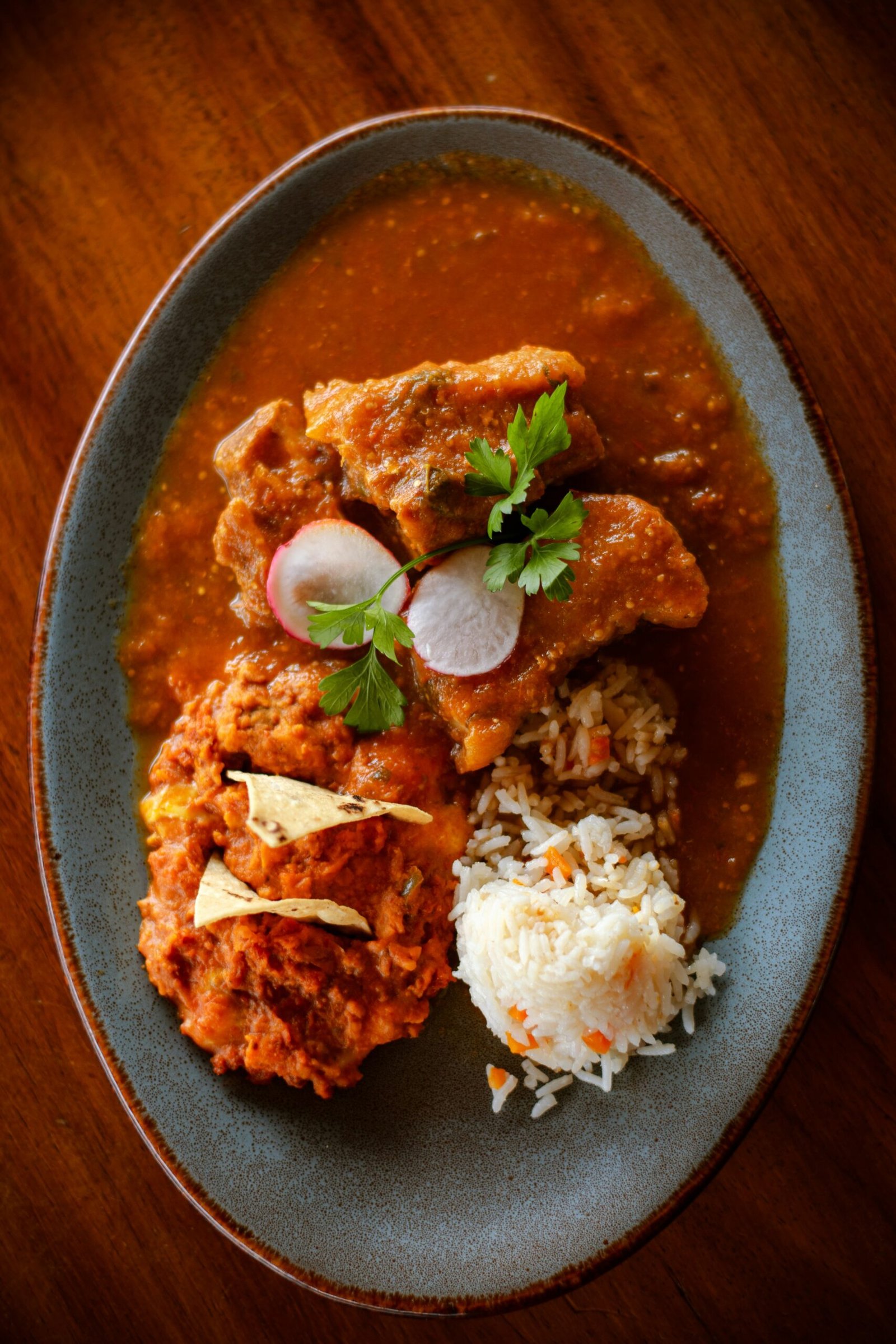
Mole describes a broad family of preparations, often with complex sauces, not simply chocolate sauce over chicken. The term can also appear in the names of substantial soups and stews. Depending on the version, chiles, seeds, nuts, spices and other ingredients create very different flavors. Mole poblano and Oaxacan mole negro are familiar examples, but they do not represent every mole you will encounter.
Use our Oaxaca guide to make room for a longer meal or cooking experience.
Culinary reference: Larousse Cocina — mole.
5. Cochinita pibil
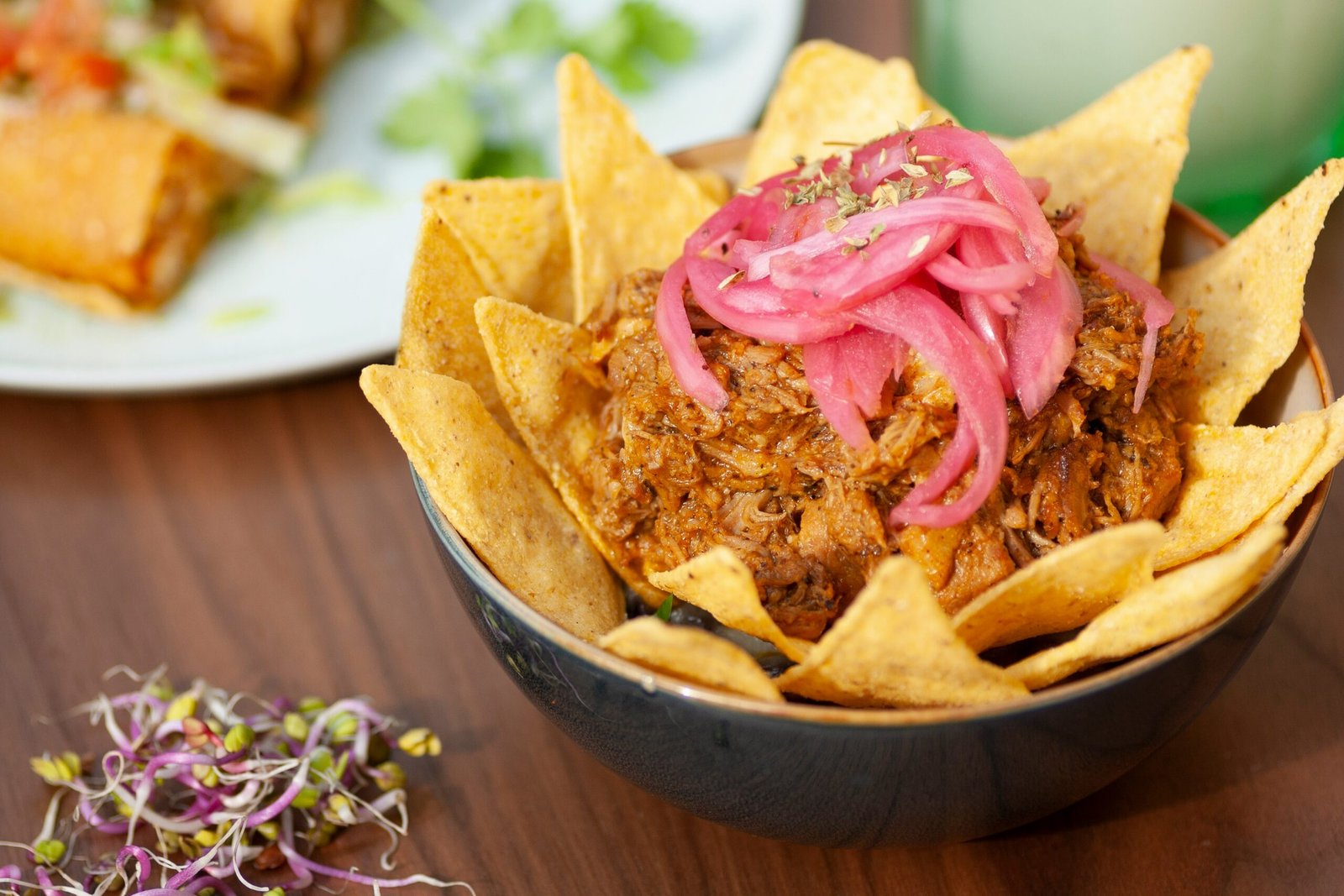
Cochinita pibil is pork seasoned with achiote and sour citrus, traditionally associated with pit cooking. It is often served as tacos or in a torta, with pickled onion alongside. Although the traditional method uses a pib, or underground oven, modern cooks also use conventional ovens or steam. The orange-red color comes from the seasoning; the strongest heat may be in the accompanying habanero salsa.
Build a food stop into your Mérida visit.
Culinary reference: Larousse Cocina — cochinita pibil.
6. Tlayudas
A tlayuda begins with a large, thin corn tortilla. Beans, asiento, quesillo and other toppings turn it into a meal; meat can be added, and the tortilla may be served open or folded. Its toasted texture is as much a reason to order it as the topping combination.
Source: Mexico’s agriculture ministry on tlayudas.
Culinary reference: Larousse Cocina — tlayuda.
7. Birria
Birria is a seasoned meat preparation associated with Jalisco, traditionally made with goat or sheep; beef versions are also widespread. It can arrive as a bowl with broth or in tacos. The cheese-filled, crisped tacos familiar from social media are one serving style, not the definition of the dish.
Pair a meal with things to do in Guadalajara.
Culinary reference: Larousse Cocina — birria.
8. Carnitas
Carnitas are pork cooked in fat until tender, with different cuts offering different textures. A mixed order can include more than lean meat. They are commonly eaten in tortillas with salsa, onion and cilantro, making them an easy dish to share at a busy stand.
Culinary reference: Larousse Cocina — carnitas.
9. Enchiladas
Enchiladas are tortillas prepared with a chile-based sauce and, often, a filling. Cheese, chicken, onion and cream appear in many versions, but preparation is regional. Enchiladas potosinas, for example, differ from the rolled chicken enchiladas travelers may expect from restaurants abroad.
10. Quesadillas
Quesadillas can be cooked on a comal or fried, with fillings such as mushrooms, squash blossoms, huitlacoche or meat. Cheese is not guaranteed in every Mexico City ordering context, so say whether you want it. This is a useful dish for comparing a familiar filling with something new.
Culinary reference: Larousse Cocina — quesadilla.
11. Sopes
Sopes have a thick masa base with a raised edge that holds beans, salsa and toppings. Their texture is more substantial than a thin tortilla. Depending on the stand, one might work as a snack while several make a full meal.
Compare them with other Mexican appetizers and antojitos.
Culinary reference: Larousse Cocina — sope.
12. Chilaquiles
Chilaquiles combine pieces of tortilla with salsa, commonly finished with cream, cheese and onion, and sometimes eggs or chicken. Some kitchens keep the tortillas crisp; others let them soften in the sauce. Both textures are intentional, so there is no single correct crunch level.
Culinary reference: Larousse Cocina — chilaquiles.
13. Huevos rancheros
Huevos rancheros usually bring together fried eggs, tortillas and salsa, often with beans on the side. They are a straightforward choice if you want a savory breakfast without the large volume of a chilaquiles plate. The sauce and accompaniments still vary by restaurant.
14. Elote and esquites
Elote is corn on the cob; esquites are corn kernels served in a cup, with preparations that vary locally. Lime, chile, mayonnaise and cheese are common additions. They offer similar flavors but different eating experiences: a cup is easier when you are walking between sights.
Find more small bites in our Mexican snacks guide.
Culinary reference: Larousse Cocina — esquites.
15. Nopales
Nopales are edible cactus paddles, served grilled, in salads or in mixed dishes. Their gentle tartness and distinctive texture make them worth trying alongside richer food. They are an ingredient rather than one standardized recipe, so a nopal salad and a grilled paddle need not taste alike.
Our guide to Mexican vegetables explains more market ingredients.
Culinary reference: Larousse Cocina — nopal.
16. Chiles en nogada
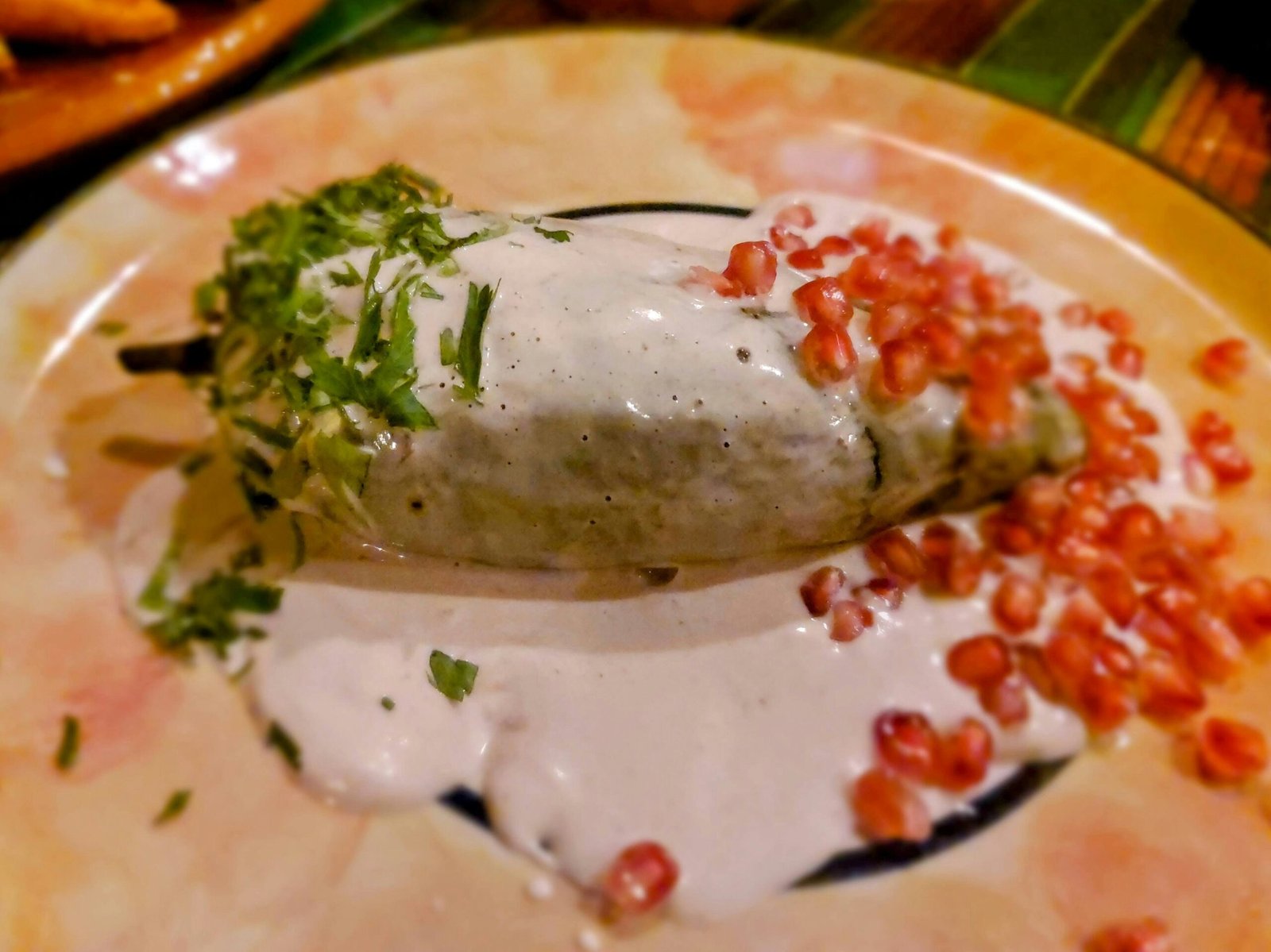
Chiles en nogada combine a filled poblano chile with a walnut-based sauce and pomegranate seeds. The filling commonly combines meat and fruit, giving the dish a sweet-savory balance. It is especially associated with late-summer and independence-season menus rather than guaranteed year-round availability.
Include it in a seasonal visit to Puebla.
Culinary reference: Larousse Cocina — chile en nogada.
Eat with a sense of place
Let your destination shape the menu
Oaxaca
Try a mole meal and a tlayuda at separate stops. A guided market visit can help explain the ingredients rather than just add more tastings.
Explore Oaxaca food tours →Mérida & Yucatán
Start with cochinita, then ask about the day’s other Yucatecan specialties. Leave room for something beyond the dishes already familiar to you.
Explore Mérida food tours →Puebla
Combine mole with a visit to the sweet shops. Chiles en nogada make a useful seasonal addition when they are being served.
Plan Puebla →At the table
A few ordering habits that help
Ask about the salsa before adding it
Color does not reliably tell you how hot a salsa is. “¿Pica mucho?” asks whether it is very spicy; “la salsa aparte” asks for salsa on the side. This works for optional condiments, but not always for sauces cooked into the dish.
Think in small tastings
Two kinds of taco, one shared regional dish and a later snack can reveal more than a huge mixed platter. Leave space between stops. Choose a dedicated specialist when you want to understand a particular dish.
Check what is inside the base
A vegetable filling does not establish how the dough, beans or broth were prepared. Ask directly about manteca (lard), caldo (broth), queso (cheese) and crema (cream) when those ingredients matter to you.
Understand what “traditional” means here
Mexican cooking includes Indigenous foundations, later introductions and continuing regional invention. A dish does not need an exclusively pre-Hispanic origin to be part of a living tradition. UNESCO’s inscription recognizes a wider community food culture, including cultivation, preparation and shared knowledge.
Source: UNESCO: Traditional Mexican cuisine.
A few useful answers