
Journey To Mexico / Food & culture
Holidays & traditions
Mexican National Holidays: Dates, Traditions & What Travelers Should Know
Mexico’s most famous celebrations are not all official public holidays. This guide separates legally mandated days off from major cultural observances such as Día de Muertos and Cinco de Mayo, then explains what each one means for a traveler.
The quick answer
What are Mexico’s national holidays?
Mexico’s official mandatory rest days are defined by Article 74 of the Federal Labor Law. They include January 1, the first Monday of February for Constitution Day, the third Monday of March for Benito Juárez’s birthday, May 1, September 16, the third Monday of November for Revolution Day, December 25, certain election days, and October 1 every six years when the federal executive power changes hands.
But some of the celebrations travelers associate most strongly with Mexico—including Día de Muertos, Cinco de Mayo, Las Posadas and Día de la Virgen de Guadalupe—are not nationwide mandatory rest days under that federal labor-law list.
2026 official calendar
Mandatory rest days in Mexico
The dates below follow Article 74 of Mexico’s Federal Labor Law and the 2026 guidance published by PROFEDET.
| 2026 date | Holiday / commemoration | Status | Traveler note |
|---|---|---|---|
| January 1 | New Year’s Day | Official | Expect reduced hours and a quiet morning after New Year’s Eve celebrations. |
| February 2 | Constitution Day observance | Official | The legal day off is the first Monday in February, commemorating February 5. |
| March 16 | Benito Juárez birthday observance | Official | The legal day off is the third Monday in March, commemorating March 21. |
| May 1 | Labor Day | Official | Government offices and some businesses may close or reduce hours. |
| September 16 | Independence Day | Official | The major public celebration begins the night before with the Grito. |
| November 16 | Mexican Revolution observance | Official | The legal day off is the third Monday in November, commemorating November 20. |
| December 25 | Christmas Day | Official | Expect widespread closures and family-focused celebrations. |
| Varies | Ordinary election day when designated by applicable election law | Official | Relevant dates vary by election and jurisdiction. |
| Every six years | Federal presidential transition — October 1 | Official | This only applies in a presidential transition year; it is not a 2026 holiday. |
The cultural calendar
Major Mexican holidays and celebrations travelers notice
These dates are useful because they shape the atmosphere of a trip, even when they are not all federal mandatory rest days.
Año Nuevo — New Year’s Day
New Year’s Eve is the bigger social event, with dinners, parties and midnight celebrations. January 1 itself tends to be quieter and is an official day off.
Constitution Day
This mandatory rest day commemorates the Mexican Constitution of 1917, promulgated on February 5. The legal holiday is moved to Monday.
Benito Juárez Day
The holiday commemorates Benito Juárez, born March 21, 1806. The federal day off is observed on the third Monday of March rather than necessarily on March 21.
Día del Trabajo — Labor Day
May 1 is an official mandatory rest day in Mexico. As elsewhere around the world, marches and labor events may take place in major cities.
Cinco de Mayo
Cinco de Mayo commemorates the Mexican victory over French forces at the Battle of Puebla in 1862. It is especially significant in Puebla and is not Mexico’s Independence Day.
Independence celebrations
The national holiday is September 16, commemorating the beginning of the independence movement in 1810. The famous public ritual known as the Grito takes place on the night of September 15 in plazas across the country.
Día de Muertos
Day of the Dead traditions center on remembering deceased relatives through altars, food, flowers, cemetery visits and community events. Practices vary considerably by region and family.
Mexican Revolution Day
The federal holiday commemorates the beginning of the Mexican Revolution on November 20, 1910. The mandatory rest day is observed on the third Monday in November.
Día de la Virgen de Guadalupe
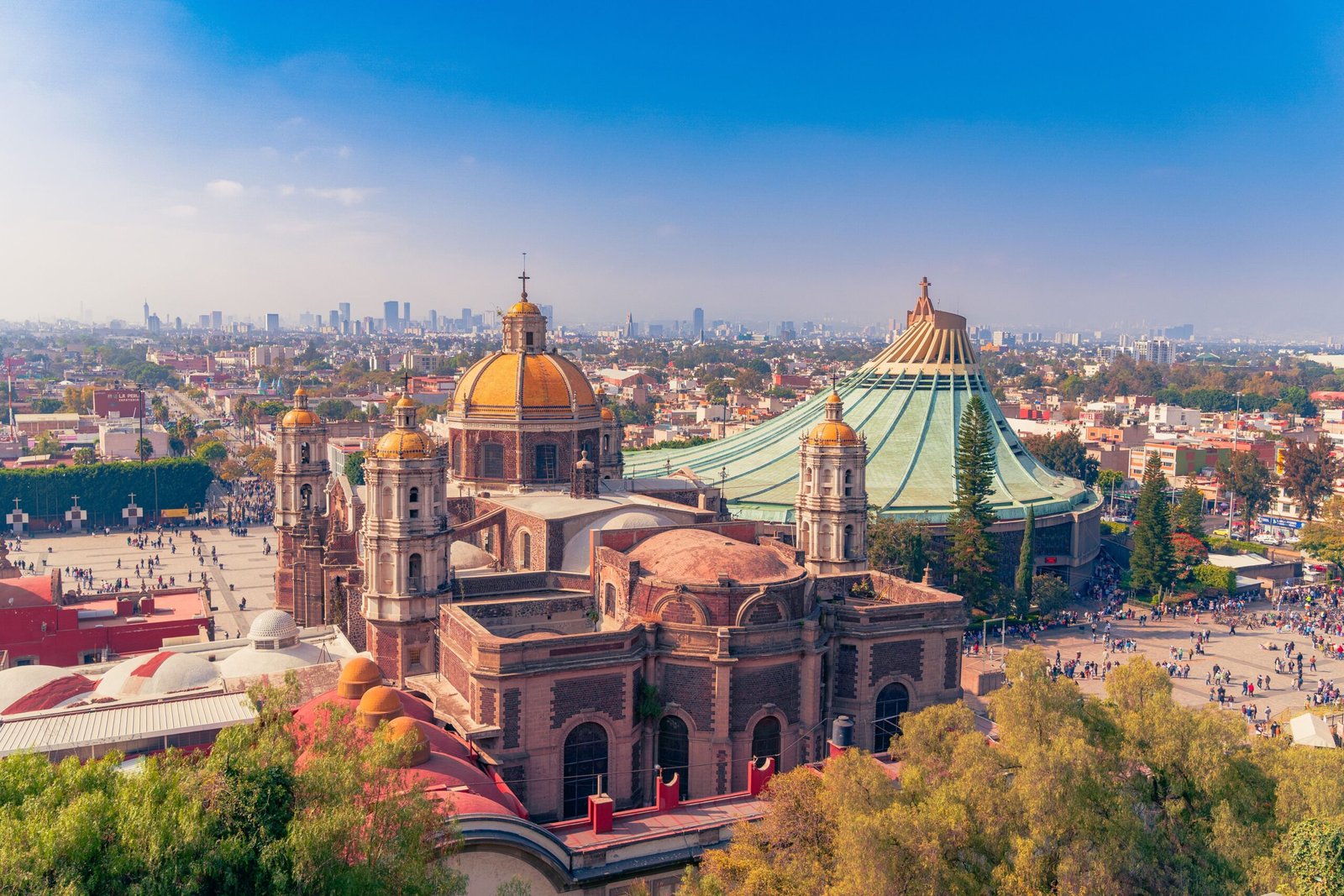
The Feast of Our Lady of Guadalupe is one of Mexico’s most important religious observances. Pilgrims travel to the Basilica of Our Lady of Guadalupe in Mexico City and to churches throughout the country.
Las Posadas
Las Posadas recreates Mary and Joseph’s search for lodging through processions, songs, gatherings, food and piñatas. Celebrations may be public, neighborhood-based or private.
Nochebuena & Christmas
Christmas Eve is often the larger family gathering, while December 25 is the official mandatory rest day. Religious services, family meals and quieter streets are common parts of the holiday period.
Common confusion
Three things travelers often get wrong
Cinco de Mayo is Mexico’s Independence Day
It is not. Independence Day is September 16. Cinco de Mayo marks the 1862 Battle of Puebla and is much more locally significant in Puebla than many foreign visitors expect.
Día de Muertos is “Mexican Halloween”
The dates overlap, but the traditions have different histories and meanings. Day of the Dead focuses on remembrance, family, altars and relationships with deceased loved ones.
Every famous celebration is a legal day off
Día de Muertos, Cinco de Mayo, Guadalupe Day and Las Posadas are culturally important, but they are not all mandatory rest days under Article 74 of the Federal Labor Law.
Trip-planning impact
What holidays change for travelers
Hotel demand can jump
Día de Muertos destinations, Independence celebrations and long weekends can increase domestic travel. Book earlier if the celebration is part of your reason for visiting.
Public spaces may close to traffic
Zócalos, plazas and major roads can be used for ceremonies, parades or stages. A hotel that looks close on a map may become harder to reach by car during an event.
Opening hours become less predictable
Official rest days and major religious celebrations can change museum, market, restaurant and transport schedules. Check the attraction itself rather than assuming normal hours.
Official sources
How the holiday list is defined
Mexico’s Federal Labor Law, Article 74, establishes the mandatory rest days. PROFEDET published the 2026 list, including January 1, the first Monday of February, the third Monday of March, May 1, September 16, the third Monday of November and December 25, plus election provisions and the presidential transition day every six years.
Useful answers
Mexican holidays FAQ
What is Mexico’s Independence Day?
Is Cinco de Mayo a national holiday in Mexico?
Is Día de Muertos a public holiday in Mexico?
Why are some Mexican holidays observed on Mondays?
Are shops and restaurants closed on Mexican holidays?
What is the best Mexican holiday to experience as a traveler?
Keep exploring