
Journey To Mexico / Mexico Guides
Heritage towns, food, landscapes and culture
15 Pueblos Mágicos in Mexico to Visit
A lakeside village, a former mining town, a Yucatán market town or a Baja arts community: Mexico’s Pueblos Mágicos are not all alike. Compare 15 officially designated destinations, find the experiences that fit your trip and plan sensible routes from cities you may already be visiting.
Disclosure: Some links on this page are affiliate links; we may earn a commission at no extra cost to you when you book through them.
The quick answer
What is a Pueblo Mágico in Mexico?
A Pueblo Mágico (Magic Town) is a Mexican tourism designation recognizing a destination’s distinctive cultural, historical or natural character. The designation does not mean that every destination is small, isolated or picture-perfect. San Pedro Tlaquepaque, for example, is part of the Guadalajara metropolitan area, while Bacalar is known primarily for its lagoon.
Mexico’s Secretariat of Tourism reported 177 Pueblos Mágicos at its September 2026 event announcement. This guide selects 15 across different regions and travel styles, rather than claiming they are an official top-15 ranking.
Find your kind of trip
Which Pueblo Mágico should you visit?
Rather than traveling across Mexico to collect designations, start with the type of trip you want and the region you’re already visiting.
Tequila, Tlaquepaque or Ajijic
Choose an agave-landscape excursion, a crafts-focused afternoon or a slower lakeside day.
Explore Jalisco →Bernal, Taxco or Tepoztlán
Compare a monolith and vineyards, a silver-mining town and a mountain-framed market town.
Explore central Mexico →Valladolid, Izamal or Bacalar
Build a longer peninsula itinerary with colonial streets, Maya heritage, cenotes and lagoon time.
Explore the peninsula →Cuetzalan, Mazunte or Todos Santos
Give these destinations time for local culture, scenery and experiences beyond a quick stop.
Explore further afield →Your destination shortlist
15 Pueblos Mágicos to explore across Mexico
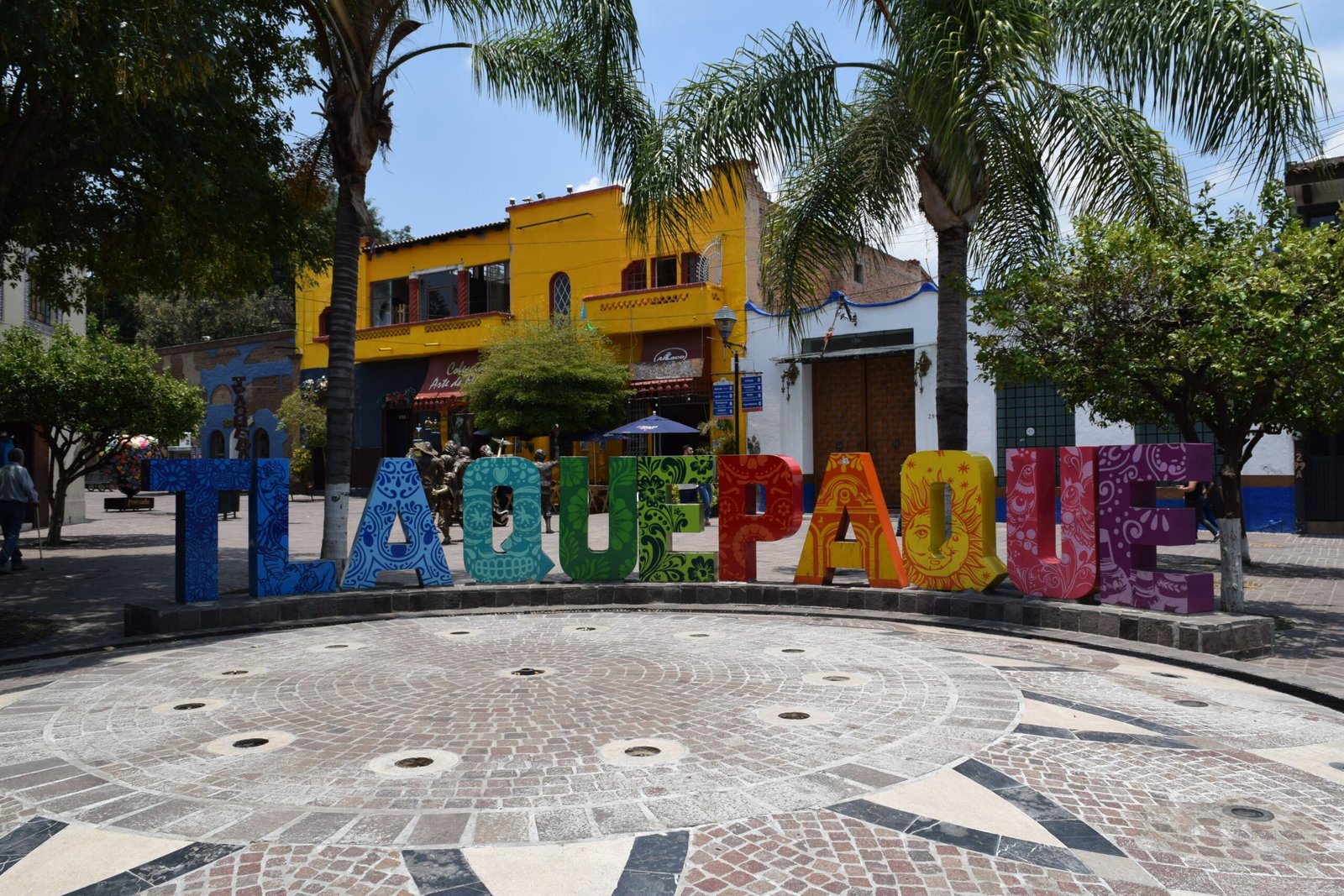
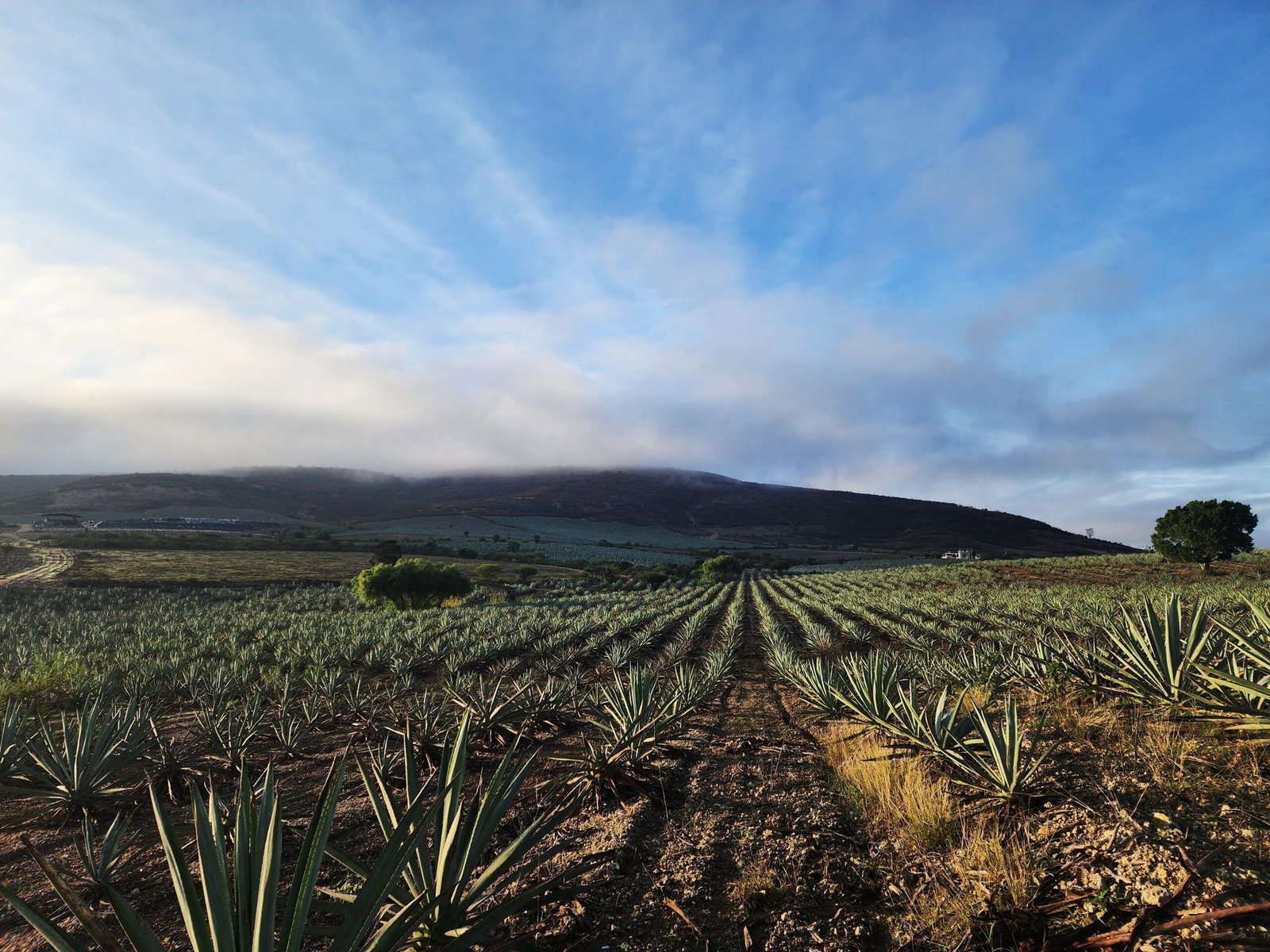
Each destination below has its own reason to visit, recommended trip length and practical base. The cards use a consistent editorial layout instead of uneven photo placeholders; a pair of real Jalisco photographs follows the list.
Tequila
Tequila is a strong choice when you want to understand the landscape behind one of Mexico’s most recognizable regional products. Beyond distillery visits, its appeal includes the surrounding blue-agave fields, the town center and the way local agriculture shapes the region.
It is particularly easy to include on a Guadalajara itinerary. Choose a tour that makes clear whether transport, a distillery visit, food and tastings are included, rather than selecting one solely for the number of stops.
Base: Guadalajara.
Time to allow: One full day; stay overnight for a slower visit.
Worth knowing: The UNESCO-listed Agave Landscape covers a wider region, not just the town.
San Pedro Tlaquepaque
San Pedro Tlaquepaque offers a different experience from a remote village: its historic center is within the Guadalajara metro area. Spend time on the pedestrian streets, browse ceramics and galleries, and linger over lunch rather than trying to cover every shop.
The town also has a strong connection to regional music and food. For a short Guadalajara trip, it adds contrast without needing a second hotel.
Base: Guadalajara.
Time to allow: Half a day to an evening.
Worth knowing: Combine independently with central Guadalajara, or compare a guided Tlaquepaque and Tonalá outing.
Ajijic
Ajijic is for travelers who want to slow the pace after city sightseeing. Walk the lakeside malecón, explore the village’s colorful streets and make time for a long lunch overlooking or near Lake Chapala.
It also pairs well with Chapala itself. The atmosphere is different from Tequila: here, the village and lakeside setting are the point, rather than a schedule of major attractions.
Base: Guadalajara.
Time to allow: Full day, or an overnight lake stay.
Worth knowing: Waterfront conditions and boat operations depend on weather.
Bernal
Bernal’s dramatic backdrop is visible long before you reach its central streets. Start with the town’s plazas and shops, then choose an easy viewpoint walk or a more demanding outdoor outing appropriate for your ability and the day’s conditions.
It fits naturally into a Querétaro trip and can also be combined with nearby wine-country stops. The village is most appealing when you allow time for both the view and the town itself.
Base: Querétaro city.
Time to allow: Half to full day.
Worth knowing: Don’t assume the monolith’s summit is a casual walk; check access and guided-route rules.
Valle de Bravo
Valle de Bravo combines a cobbled historic center with a large lake and forested hills. A trip can focus on a relaxed café-and-waterfront weekend, boat activities or hiking and nearby nature experiences.
Unlike compact market towns, Valle de Bravo works especially well as a two-night escape. Its popularity on weekends means that lodging and road traffic deserve attention when planning.
Base: Stay in Valle de Bravo; possible from Mexico City with an early start.
Time to allow: One or two nights.
Worth knowing: Boat activities are weather-dependent; reserve popular weekend lodging ahead.
Tepoztlán
Tepoztlán attracts visitors with its dramatic mountain setting, market stalls and local food. Spend time in the center before deciding whether an uphill outdoor excursion fits the weather, your fitness and any current access restrictions.
The town is a plausible day trip from Mexico City, but a night here gives you a quieter morning and more time to enjoy its surroundings.
Base: Mexico City or Cuernavaca.
Time to allow: Full day or one night.
Worth knowing: Verify current trail access before planning around a climb.
Taxco
Taxco’s hillside setting, tightly packed houses and monumental Santa Prisca church create one of Mexico’s most recognizable historic townscapes. Silver workshops and shops remain a key part of its visitor experience.
Wear comfortable shoes: the steep streets make even a short outing more demanding than it looks on a map. An overnight stay gives you time to explore the center after day visitors leave.
Base: Taxco itself, with regional access from Mexico City.
Time to allow: One night is more relaxed than a rushed day trip.
Worth knowing: Ask about silver content, craftsmanship and shop policies before purchasing.
Pátzcuaro
Pátzcuaro’s broad plazas, traditional buildings and craft markets offer a useful introduction to Michoacán’s lake region. Make time for regional food and opportunities to learn about the area’s living Purépecha cultural heritage.
Visitors often associate the region with Día de Muertos, but that period is a deeply important community observance, not simply a sightseeing spectacle. Visit respectfully, follow local rules and consider traveling outside peak dates for a more relaxed experience.
Base: Pátzcuaro or Morelia.
Time to allow: At least one night; longer for the wider lake region.
Worth knowing: Ask before photographing ceremonies or community participants.
Real de Catorce
Real de Catorce rewards travelers seeking a remote-feeling historic landscape rather than an easy urban excursion. Its stone streets, mountain views and former mining character make the journey part of the experience.
The destination’s altitude and approach require more planning than a casual detour. Choose accommodation and transportation before arriving, and be mindful of the area’s cultural significance to Indigenous communities.
Base: Stay in Real de Catorce or plan carefully from the wider San Luis Potosí region.
Time to allow: One or two nights.
Worth knowing: Weather and high-altitude conditions can change quickly.
Cuetzalan
Cuetzalan is a useful counterpoint to Mexico’s better-known colonial towns. Its mountain setting, Nahua cultural traditions, local markets and surrounding natural scenery make it especially rewarding for a more thoughtful regional stay.
Rather than rushing in for a photo, explore the center, support local artisans and arrange any nature excursions with reputable local providers. Conditions can be wet or misty, and travel through the mountains takes time.
Base: Cuetzalan, rather than treating it as a quick Puebla City add-on.
Time to allow: One or two nights.
Worth knowing: Allow extra time for mountain roads and changeable weather.
Valladolid
Valladolid is more than a stop on the way to Chichén Itzá. Its colorful streets, central park, churches and local food reward a slower visit. It also makes a practical base for nearby cenotes and Maya archaeological sites.
Staying overnight can make an early archaeological excursion more comfortable than traveling the entire way from Cancún and back in one day. Include time to enjoy the town after sightseeing.
Base: Valladolid; accessible on a longer Cancún or Mérida itinerary.
Time to allow: One or two nights.
Worth knowing: Archaeological entrance fees, operating hours and cenote access vary.
Izamal
Izamal is known for its distinctive yellow-painted center and the large convent complex of San Antonio de Padua. Its streets also sit within a much older Maya landscape, making it more interesting than a single picturesque square.
It pairs naturally with a Mérida-based itinerary or a broader route toward Valladolid. Allow enough time to walk, visit the central sights and stop for local Yucatecan food.
Base: Mérida or an overnight stay in Izamal.
Time to allow: Half to full day.
Worth knowing: Respect access restrictions at religious and archaeological sites.
Bacalar
Bacalar is centered on its lagoon rather than a beach or major resort strip. Choose a place to stay that suits your plans for swimming, lagoon viewpoints and guided water excursions, while leaving enough free time simply to enjoy the setting.
It belongs on a southern Quintana Roo itinerary, not as an easy afterthought to a packed Cancún schedule. Lagoon access rules and tour routes can change for environmental protection.
Base: Bacalar, with regional access via Chetumal or longer-distance travel through the peninsula.
Time to allow: Two nights or more.
Worth knowing: Follow local lagoon conservation rules and verify activity restrictions.
Mazunte
Mazunte offers a quieter coastal experience focused on beaches, ocean views and an easygoing village rhythm. Nearby viewpoints and conservation-focused attractions give visitors options beyond simply sitting on the sand.
Build this into an Oaxaca coast trip rather than trying to squeeze it into a short visit to Oaxaca City. Ocean currents can be powerful, and swimming conditions vary by beach and season.
Base: Mazunte or a wider Oaxaca coast itinerary.
Time to allow: Two nights or more.
Worth knowing: Ask locally about current ocean conditions before swimming.
Todos Santos
Todos Santos is a natural addition to a Baja California Sur road trip. Explore its galleries, browse independent shops and enjoy its restaurants before making time for the surrounding desert-meets-ocean landscape.
It can be visited from the Los Cabos area, although staying overnight offers a different pace. Beaches near the town may have strong surf and dangerous currents; choose swimming beaches carefully.
Base: Todos Santos or the southern Baja California Sur region.
Time to allow: Full day or one or two nights.
Worth knowing: A scenic beach is not necessarily a safe swimming beach.
Make the trip practical
Four ways to combine Pueblos Mágicos without rushing
Use these as regional building blocks—not as one cross-country itinerary. The distances between towns matter as much as the number of stops.
Guadalajara and the Jalisco trio
Use Guadalajara as your base, explore its historic center, then choose among three very different Pueblo Mágico outings.
For two days, do the city plus one nearby town. With four days, give Tequila and Lake Chapala separate days instead of combining them into a hectic single trip.
A Mexico City trip with one town escape
Keep a Mexico City hotel and choose the experience you want: mountain markets in Tepoztlán, lakeside nature at Valle de Bravo or Taxco’s architecture and silver craftsmanship.
These are alternative excursions, not three easy stops on the same day’s driving route. Overnight outside the city if you want an unhurried visit.
Historic towns before the lagoon
Start from Mérida to visit Izamal, then spend time in Valladolid for local food, cenotes and archaeological excursions. Add Bacalar only if you have enough days for a substantial move south.
Bacalar is not a quick side trip from Valladolid; build in the travel day and stay at least two nights if you go.
Choose a town close to your existing route
Add Bernal while staying in Querétaro, Pátzcuaro from Morelia, Todos Santos on a southern Baja trip or Mazunte while already exploring the Oaxaca coast.
Real de Catorce and Cuetzalan reward more deliberate planning and are less suitable for an improvised half-day detour.
Before you book
Six things to know about visiting Pueblos Mágicos
Don’t chase the designation
Choose towns that fit the region you are visiting. A few meaningful stops are more enjoyable than spending most of your holiday in transit.
Check the actual transport
Some towns are easy to visit by bus or guided excursion, while mountain destinations and remote locations may require a transfer, car or overnight stay.
Allow for weekends and holidays
Well-known towns near major cities can become busy. For a quieter visit, consider a weekday or an overnight stay when your schedule allows.
Respect living traditions
Local markets, ceremonies and craft workshops aren’t staged solely for visitors. Ask permission for close-up photography and pay fairly for local expertise.
Prepare for different climates
Bacalar, Cuetzalan, Real de Catorce and Todos Santos have very different weather and terrain. Check the season and elevation rather than packing for Mexico as a single climate.
Verify changing conditions
The official designation is not a guarantee of transport frequency, site access or safety. Confirm local operating rules, road conditions and official travel guidance before departure.
Frequently asked questions
Pueblos Mágicos FAQ
How many Pueblos Mágicos are there in Mexico?
What does Pueblo Mágico mean?
Are Pueblos Mágicos always small rural villages?
Which Pueblos Mágicos are near Guadalajara?
Which Pueblos Mágicos can I visit near Mexico City?
Which Pueblo Mágico works with a Cancún itinerary?
Is it better to take a day trip or stay overnight?
Does a Pueblo Mágico designation mean the place is safe?
Official references
How this guide was checked
Official Secretaría de Turismo and VisitMexico listings were used to verify Pueblo Mágico designations. The national count is based on the Secretariat’s September 22, 2026 announcement. Travel times, tour availability, protected-area rules and local access may change; check destination-specific information before booking.
Keep exploring Mexico