
Journey To Mexico / History & heritage
Maya religion & mythology
12 Mayan Gods and What They Represented
Maya religion was not a single fixed system. Beliefs changed across regions and centuries, and the same deity could appear under different names or forms. These 12 gods are among the best-known figures for understanding Maya ideas about rain, maize, the sun, death, creation and royal power.
The quick answer
Who were the main Mayan gods?
Some of the best-known Maya deities include Itzamnaaj, Chaak, K’awiil, the Maize God, the Sun God, the Moon Goddess, Ek’ Balam-related and merchant deities, the death god often called God A in older scholarship, and Kukulkan, the Feathered Serpent of the northern Maya world.
The important caveat is that the Maya did not use one universal list of gods across every city and century. Modern names often come from colonial Yucatec sources, hieroglyphic readings or older scholarly labels. A deity shown at Palenque may not be described exactly the same way in a later Yucatec text.
The pantheon
12 important Maya gods and supernatural beings
The identities below are simplified introductions. Maya deities could merge with one another, change forms or appear under different names depending on the place and period.
Itzamnaaj
Itzamnaaj was a high-ranking deity associated in later Yucatec tradition with creation, knowledge, rulership and the sky. Scholars often connect him with the Classic-period deity once labeled “God D.”
Chaak
Chaak is the Maya rain deity, especially important in a farming society dependent on seasonal rainfall. He is often shown with a long curling nose and can appear in directional or regional forms.
K’awiil
K’awiil was closely connected with royal legitimacy, abundance and lightning. In Classic Maya imagery he is often recognized by a torch, smoking element or other object emerging from his forehead and by a serpent-like leg.
The Maize God
The youthful Maize God is one of the most recognizable figures in Classic Maya art. His story connects maize, beauty, agricultural renewal and rebirth—ideas central to Maya foodways and cosmology.
K’inich Ajaw
K’inich Ajaw is the name commonly used for the Maya Sun God. Solar imagery was closely tied to rulership, time and the daily movement of the sun through the sky and underworld.
Moon Goddess / Ix Chel tradition
Maya lunar goddesses were linked with the moon, fertility, childbirth and weaving. The name Ix Chel is especially well known from colonial-era Yucatán and later tradition, but scholars are cautious about applying that name to every female lunar deity in Classic Maya art.
Kukulkan
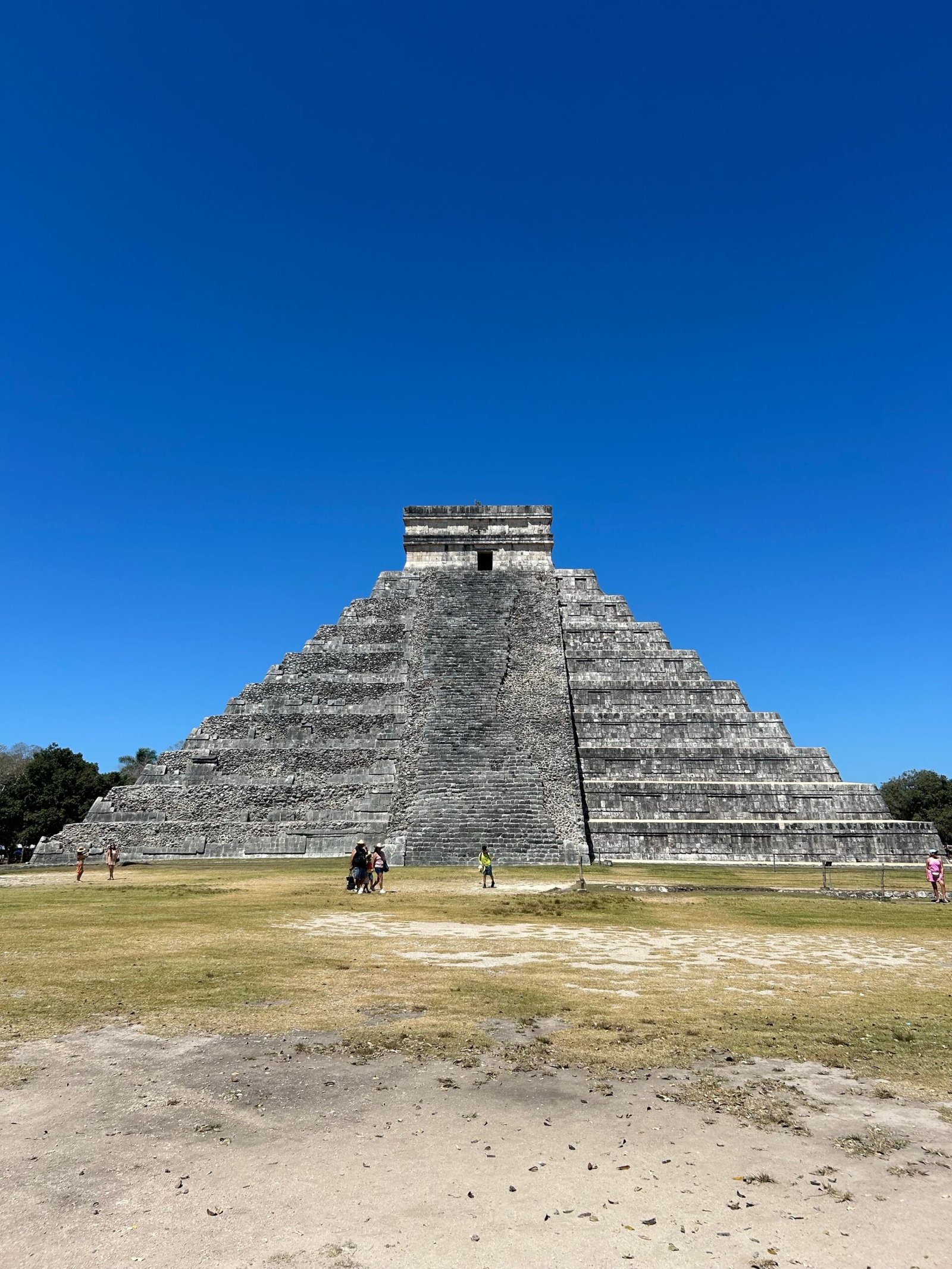
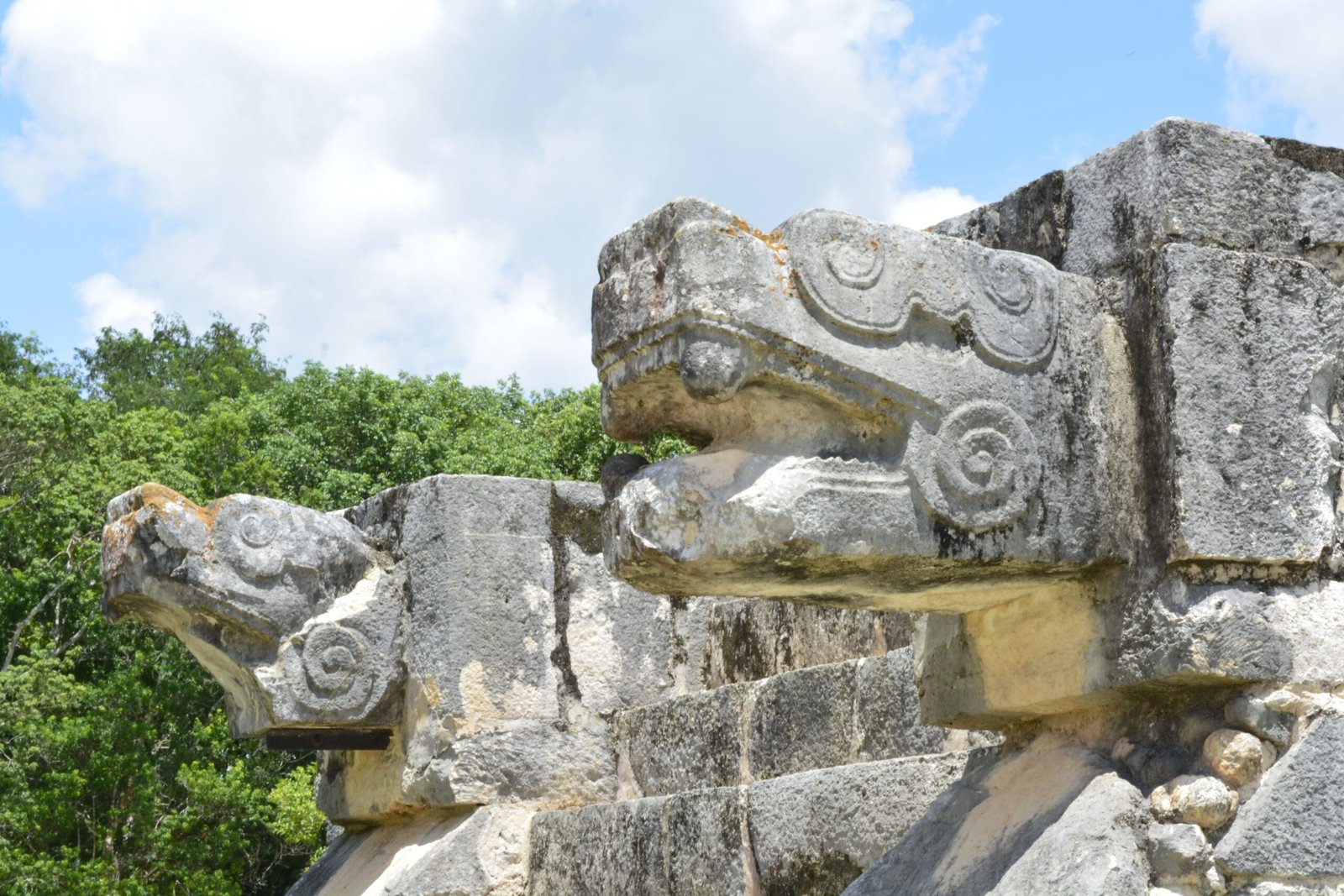
Kukulkan is the Yucatec Maya name associated with the Feathered Serpent tradition. He became especially prominent in northern Yucatán during the Postclassic period and is strongly associated today with Chichén Itzá.
Death God
Maya art includes skeletal and corpse-like death deities associated with the underworld, decay and sacrifice. Older scholarship labeled one major form “God A,” while names such as Kisin appear in later Yucatec traditions.
Ek Chuah
Ek Chuah is best known from later Yucatec sources as a deity associated with merchants, travel and cacao. His connections make sense in a world where long-distance trade moved luxury goods between Maya cities and beyond.
Fire God
Fire was essential to domestic life, offerings and ritual transformation. Maya iconography includes aged fire deities that scholars compare with broader Mesoamerican fire-god traditions, although names and forms vary by period.
Heart of Sky
In the K’iche’ Maya Popol Vuh, the creator powers associated with Heart of Sky play central roles in the making of the world and humanity. This tradition comes from the Guatemalan highlands rather than the Classic lowland cities of Yucatán.
Hero Twins
Hunahpu and Xbalanque are not “gods” in exactly the same sense as Chaak or K’awiil, but the Hero Twins are among the most important supernatural figures in the Popol Vuh. Their contests in the underworld connect death, rebirth, trickery and cosmic order.
Why lists disagree
Why Maya god names can be confusing
There was no single Maya religion
The Maya world covered a large area across present-day Mexico, Guatemala, Belize, Honduras and El Salvador. Beliefs changed by city, language, dynasty and century.
Some names are scholarly labels
Before hieroglyphic writing could be read as well as it can today, researchers used labels such as “God A,” “God D” and “God K.” Some of those older labels still appear in books and museum displays.
Colonial names are later evidence
Names such as Itzamna, Ix Chel and Ek Chuah are especially familiar from Yucatec traditions recorded after the Spanish conquest. They can help interpret earlier imagery, but they should not be applied automatically to every Classic-period figure.
Beyond a list of gods
How Maya religion connected the world
The gods make more sense when viewed as part of a larger system linking agriculture, ancestors, rulers, sacred places and the calendar.
| Idea | Why it mattered | Examples |
|---|---|---|
| Agriculture | Rain and maize were matters of survival, so agricultural cycles had religious meaning. | Chaak, Maize God |
| Kingship | Rulers presented themselves as mediators between human communities and supernatural powers. | K’awiil, solar imagery, royal ancestors |
| Time | Calendrical cycles structured ritual life and historical commemoration. | Period endings, calendar ceremonies |
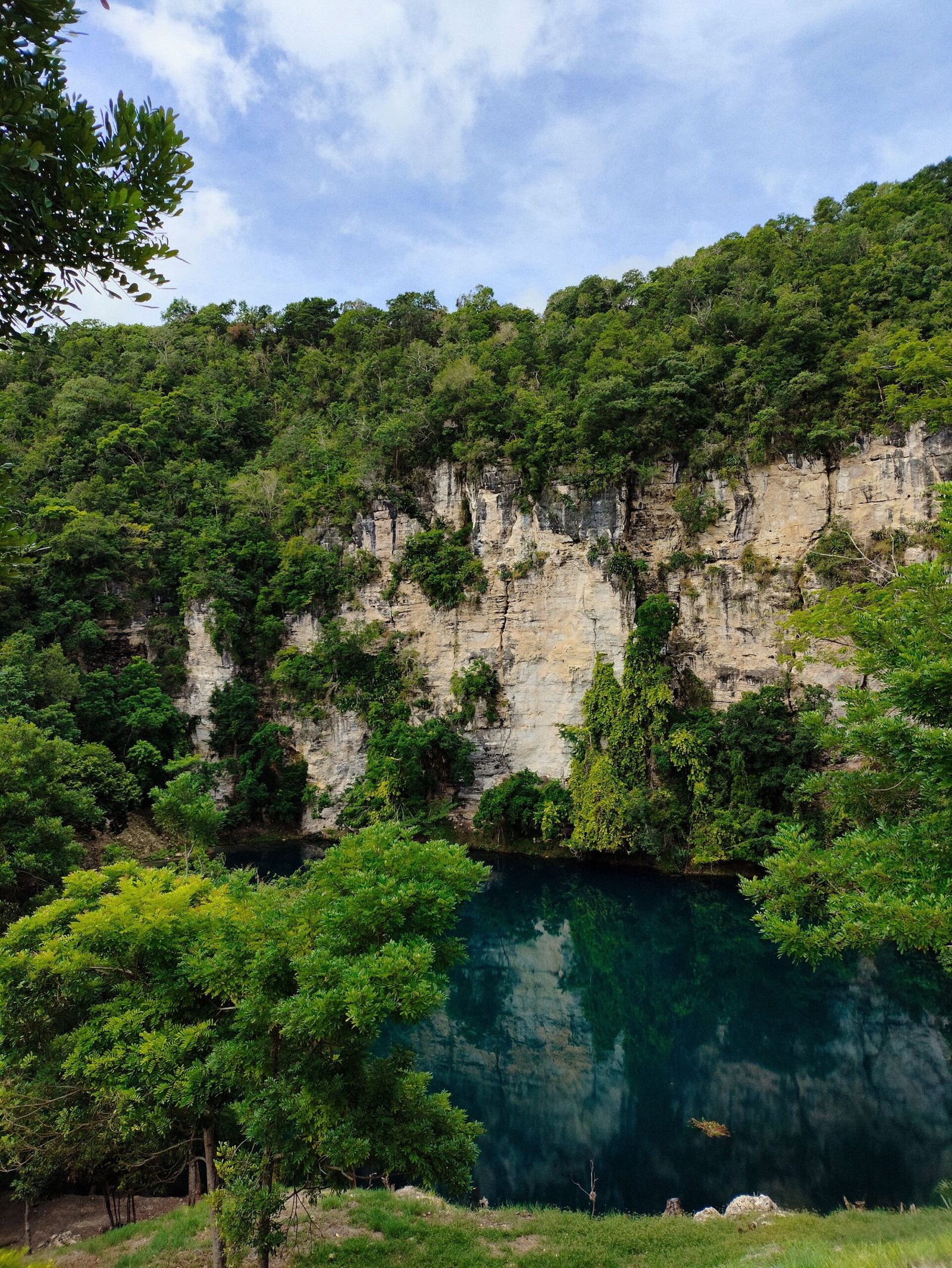
| Sacred landscape | Caves, mountains, cenotes and temples could be understood as points of connection between cosmic realms. | Cenote rituals, temple mountains |
| Ancestors | Elite lineages used ancestor veneration to reinforce identity and political legitimacy. | Royal tombs, dynastic inscriptions |
| Offerings | Bloodletting, incense, food, precious objects and other offerings created reciprocal relationships with sacred forces. | Ceramic vessels, jade, copal, ritual deposits |
Common misconceptions
Two myths worth avoiding
“Every Maya city worshipped the same gods in the same way.”
Political centers shared broad religious ideas, but ritual practices, patron deities and local traditions varied. A pan-Maya concept could be expressed differently in Palenque, Copán, Chichén Itzá or the K’iche’ highlands.
“Maya gods map perfectly onto Aztec gods.”
Mesoamerican cultures influenced one another and sometimes shared broad deity complexes, but direct one-to-one equations can be misleading. Kukulkan and Quetzalcoatl are related traditions, for example, but they developed in different cultural settings.
See the history in Mexico
Where travelers can connect Maya religion to real sites
A note on sources
Why Maya mythology requires careful wording
Much of what is known about Maya religion comes from hieroglyphic inscriptions, painted ceramics, sculpture, archaeology, colonial-era Maya and Spanish texts, and later Indigenous traditions. These sources come from different places and centuries. That is why modern scholars often avoid presenting a single fixed “Maya pantheon.”
Useful answers
Maya gods FAQ
Who was the most important Maya god?
Who was the Maya god of rain?
Who was the Maya god of the sun?
Who was the Maya god of death?
Is Kukulkan a Maya god?
Is Ix Chel really the Maya moon goddess?
Are Maya and Aztec gods the same?
Keep exploring